Boston Neighborhood Safety and Mobility Projects

The City of Boston, as a commitment to improving multimodal safety and accessibility, developed “Go Boston 2030” and reaffirmed its commitment to Vision Zero. Go Boson 2030 is a large transportation plan that develops a vision and action plan to ensure that residents have excellent and equitable transportation systems that support both the economy and public health in a changing climate. Vision Zero focuses on safety and takes a people-first approach to transportation and community building. Through Vision Zero, the City commits resources to proven strategies to eliminate fata and serious crashes by 2030.
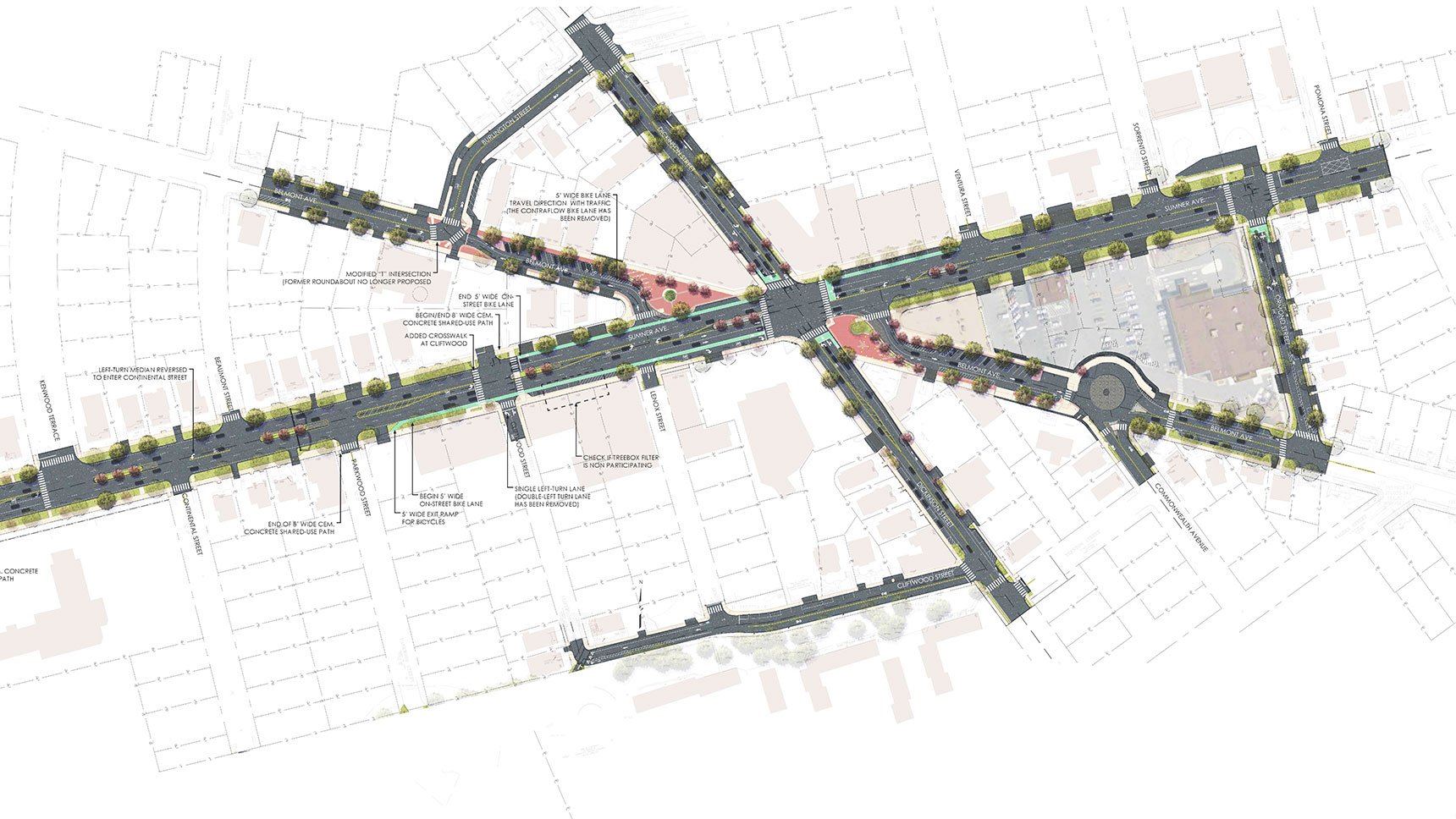
To support both programs, Fuss & O’Neill provides the City of Boston with traffic and transportation engineering services through a Neighborhood Safety and Mobility contract. As part of this contract, 10 traffic calming zones were identified for planning and design each year of the three-year program. Additionally, at least 25 raised crosswalks each year have been identified for design. Fuss & O’Neill has provided design and engineering support for each of these program elements. Furthermore, our team has supported public engagement and communications by providing graphics and project updates, as well as participating in public events.
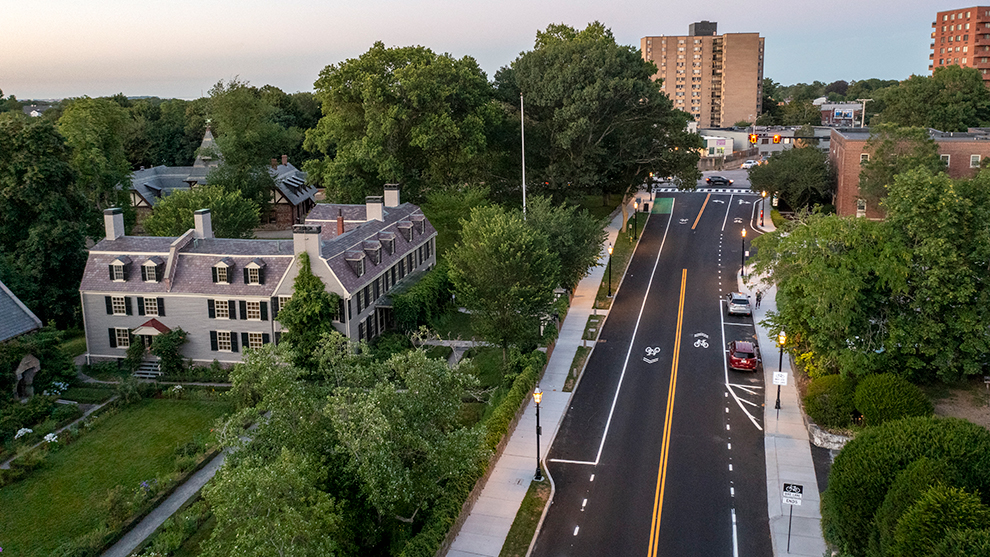
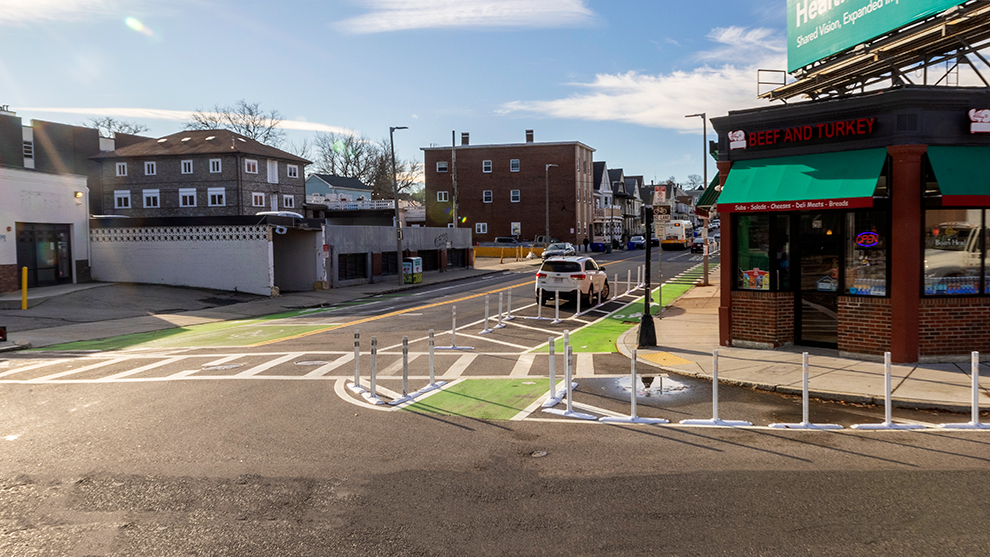
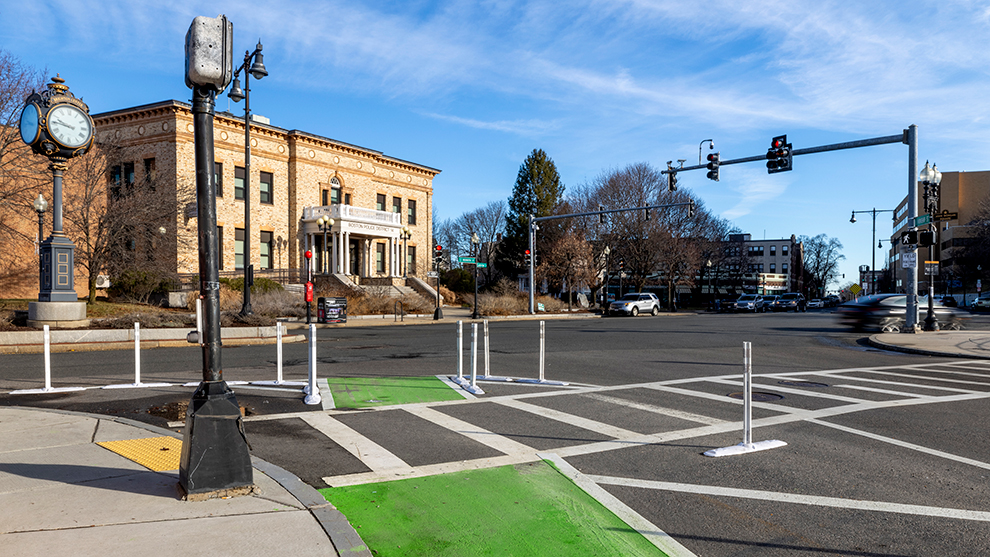
Fuss & O’Neill designed a separated bicycle lane and provided intersection safety improvements on Western Avenue and at North Harvard Street and Western Avenue, respectively. Western Avenue is a two-lane avenue bisecting the Harvard campus, making it a critical connection for pedestrians and cyclists.
Fuss & O’Neill designed a parking-protected bike line on Winship Street between Chestnut Hill Avenue and Union Street. Additionally, in this residential neighborhood, the two vehicle lanes were narrowed to 11 feet wide, a crosswalk now connects Winship Street to Peaceable Street, 11 pedestrian curb ramps were reconstructed, and two intersections had signal improvements implemented to improve accessibility. This street is an important connection for bicyclists traveling from Cambridge Street/Washington Street to destinations on Chestnut Hill Avenue and beyond.
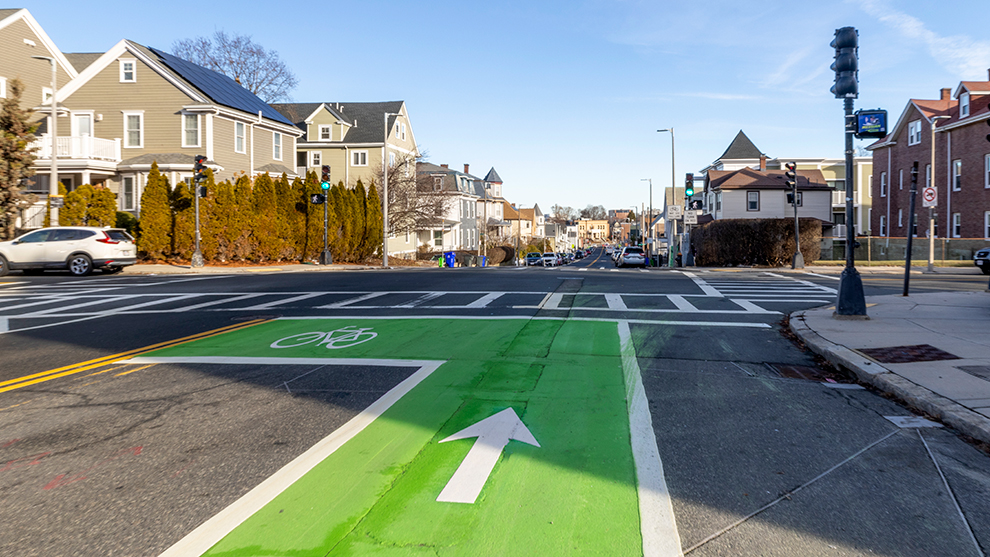
Fuss & O’Neill’s traffic engineers designed traffic calming measures, including installation of speed humps, in this residential neighborhood that connects to Roslindale Square. Our transportation engineers designed a contraflow bicycle lane between Washington Street and Sycamore Street and designed improvements at 5 intersections, including accessible curb ramps, street-level crosswalks, and curb extensions.
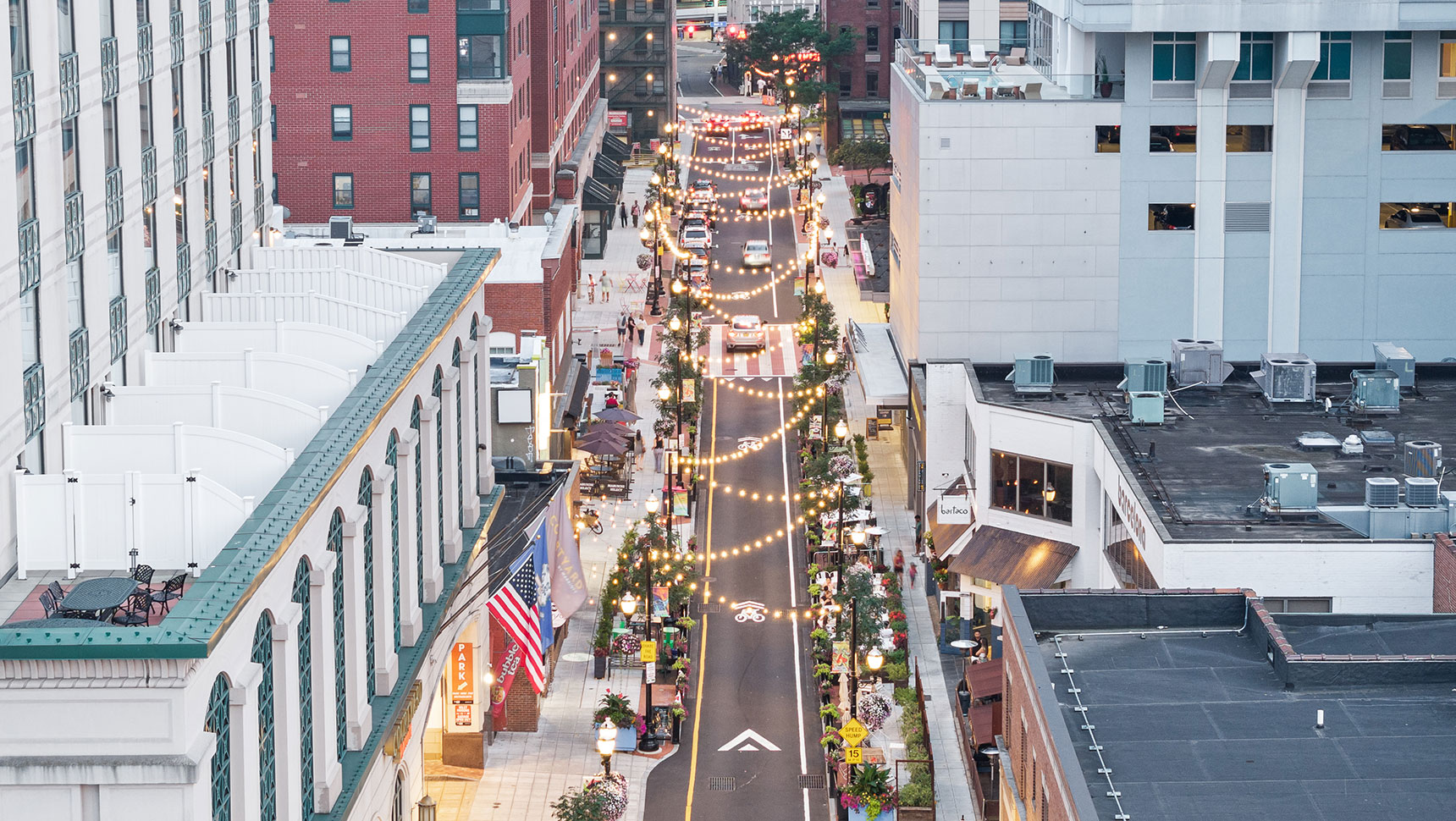
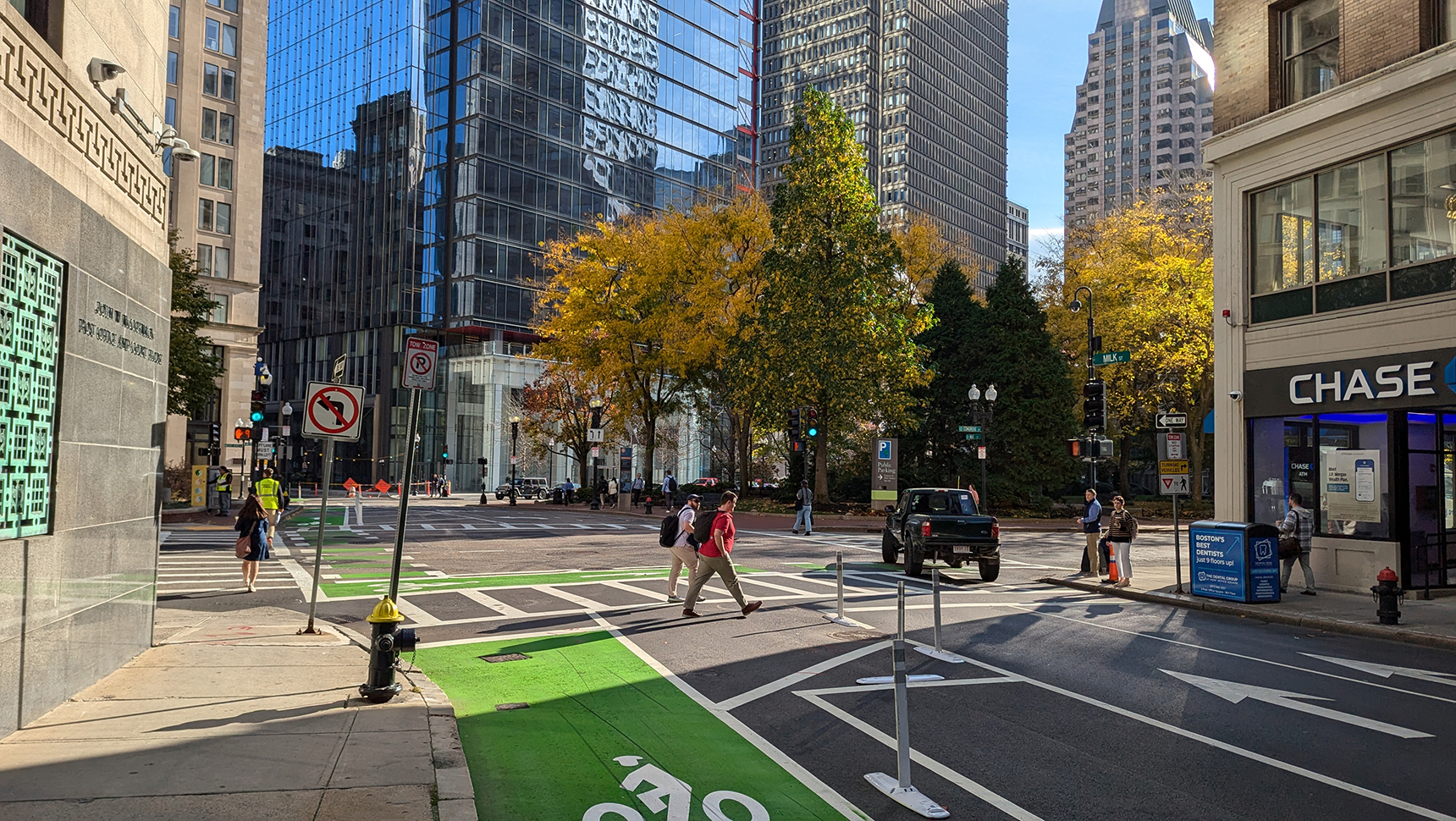
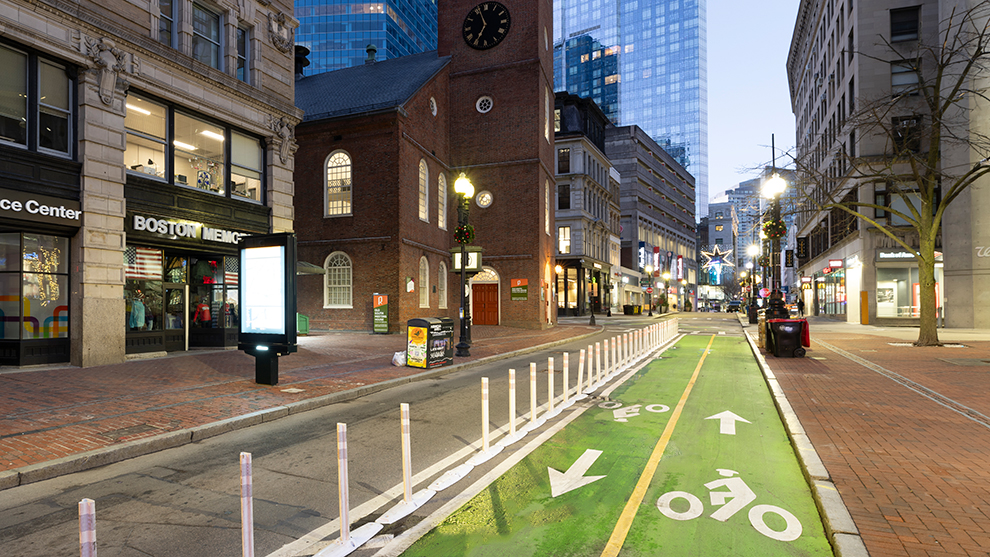
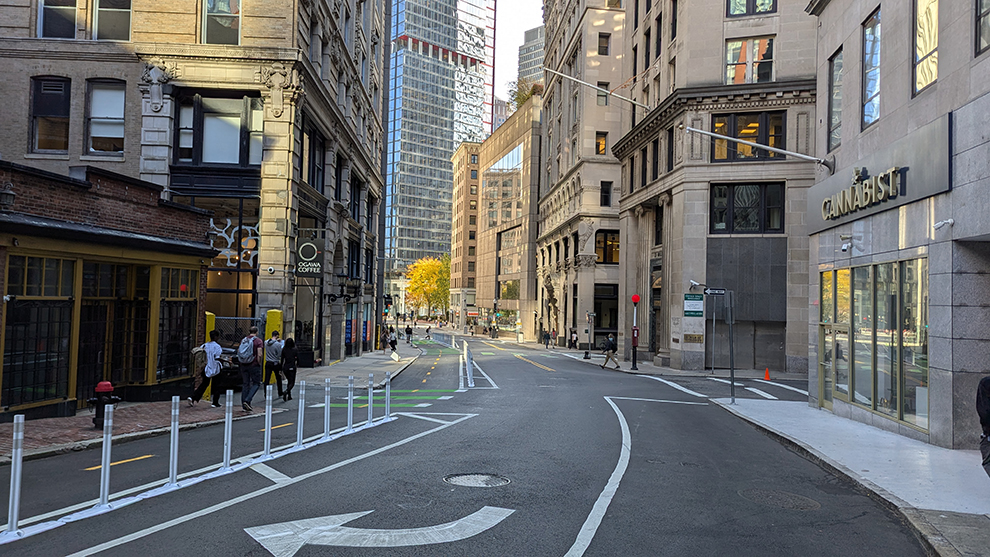
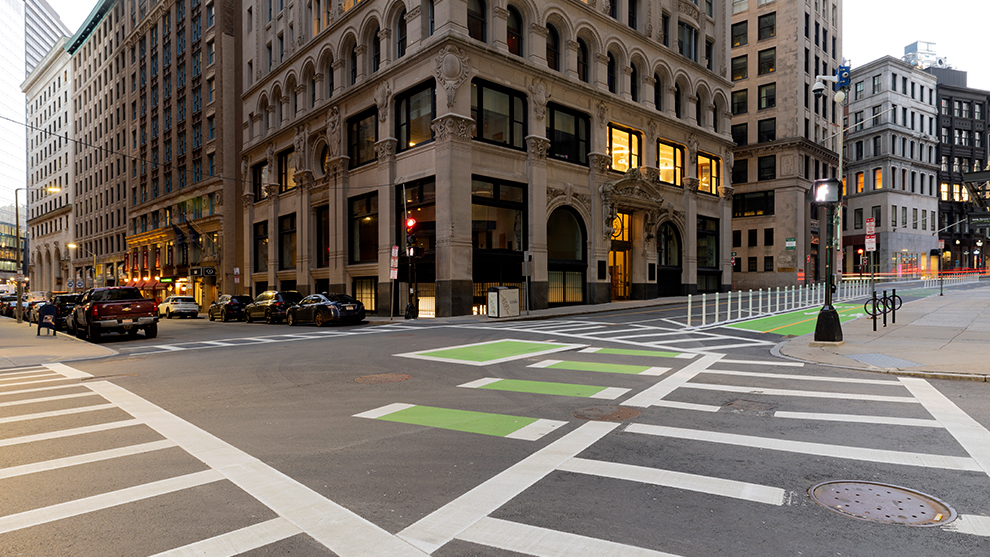
Fuss & O’Neill designed a separated bicycle lane along the entirety of Milk Street that connects School Street to the Rose Kennedy Greenway in this historic and tourist destination area. In addition to the bicycle lane, shorter crosswalks and signal timing were implemented and the pickup/dropoff zones were changed, while still ensuring that space remained for seasonal on-street dining patios.
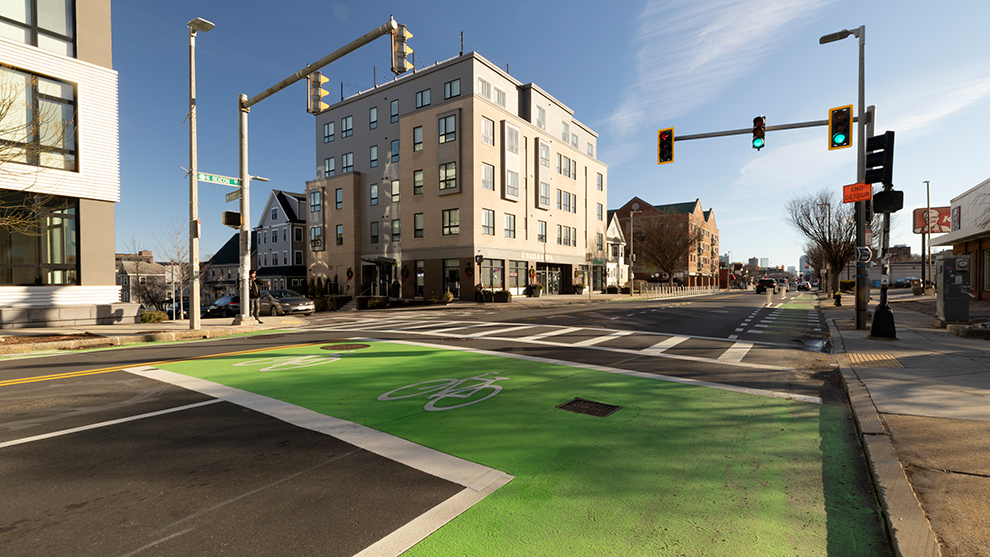
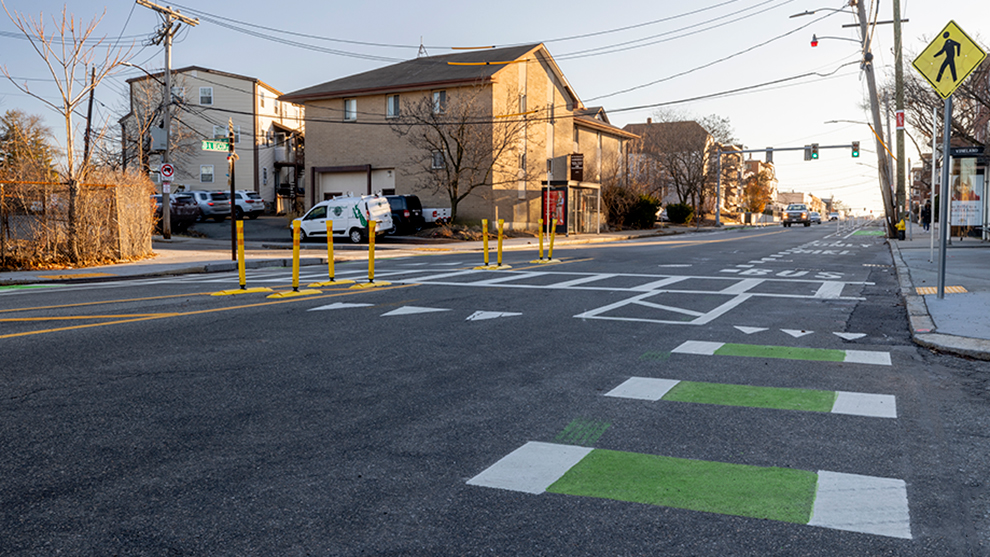
Fuss & O’Neill’s transportation engineers designed roadway and traffic improvements to support the redevelopment of North Beacon Street, which includes affordable housing and life science campuses. Design improvements include new curb ramps at crosswalks for accessibility, including an additional crosswalk and ramp to the west of Vineland Street. The implementation of shortened pedestrian crossings reduces exposure to vehicle traffic. A separated bike lane (separated from the general travel lane by a 3-foot painted buffer with flex posts every 20 feet) was designed for both directions from Everett Street to Vineland Street. Traffic signals were re-timed to keep traffic moving safely.
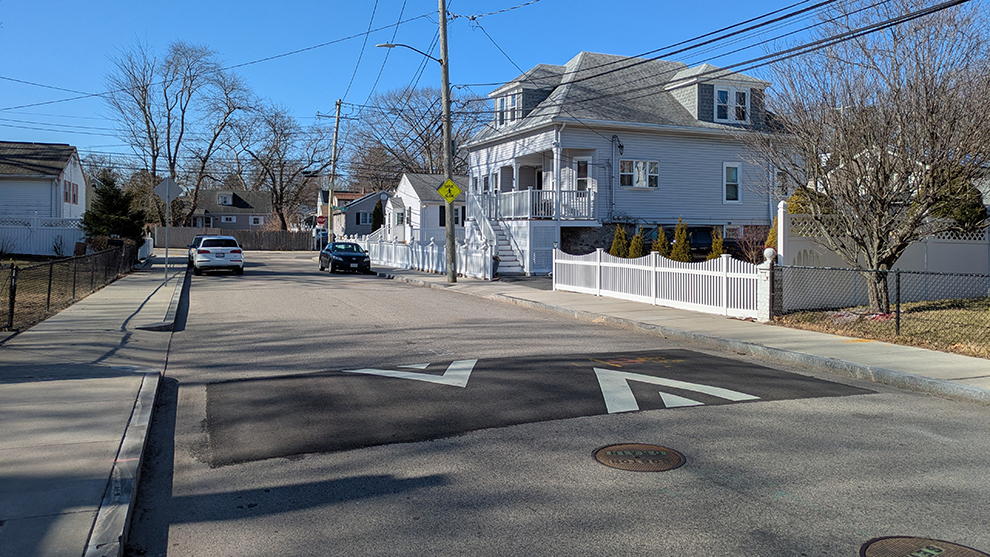
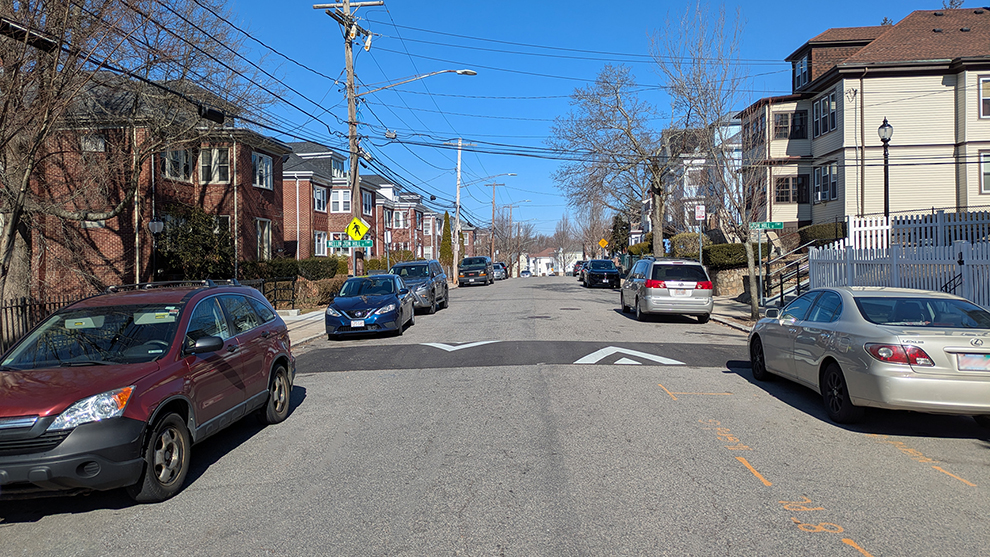
Boston’s Neighborhood Safety Surge Initiative is focused on bringing traffic safety improvements to neighborhood streets throughout the City. Fuss & O’Neill has supported this effort through the design of speed humps on hundreds of streets across 50 neighborhood zones. The design process for each neighborhood zone includes a field visit to verify utility locations, as well as preparation of installation guides and files to assist in developing a GIS database of every speed hump in the city. Fuss & O’Neill has been involved in the preparation of plans for the implementation of cast-in-place concrete at six locations in the City.
Separate from our on-call contract, but still relevant to multimodal connectivity, Fuss & O’Neill is part of a project team that is working for the MBTA and with the City of Boston to re-imagine the Blue Hill Avenue corridor to include bus priority lanes and improved infrastructure for cyclists and pedestrians.
As part of this process, Fuss & O’Neill conducted a parking study of the 3-mile corridor and 12 intersecting side streets to understand parking availability and curbside use in the project area.
Fuss & O’Neill collected parking data via video recording, which helped to capture data over the course of a 12-hour day in a large study area. Video footage was reviewed to determine parking occupancy and vehicle turnover on each block in the study area. Additionally, license plate data were recorded and shared with the Metropolitan Area Planning Council to broadly understand vehicle origin, based on where vehicles are registered. On-street parking along the project corridor is a primary point of community interest; therefore, the parking study was key to understanding existing conditions, which informed the corridor redesign.
Fuss & O’Neill has also begun work to redesign all of the traffic signals along the entire 3-mile stretch, which includes 30 existing signals and as many as 10 new signals.
Multimodal improvements strengthen connections among walking, biking, transit, and other travel options, making Boston safer, accessible, and easier to navigate. By designing streets that prioritize people and connectivity, Boston is preserving its neighborhood walkability. As the City continues to evolve, these thoughtful multimodal investments help ensure that Boston maintains its title of “America’s Walking City”.