
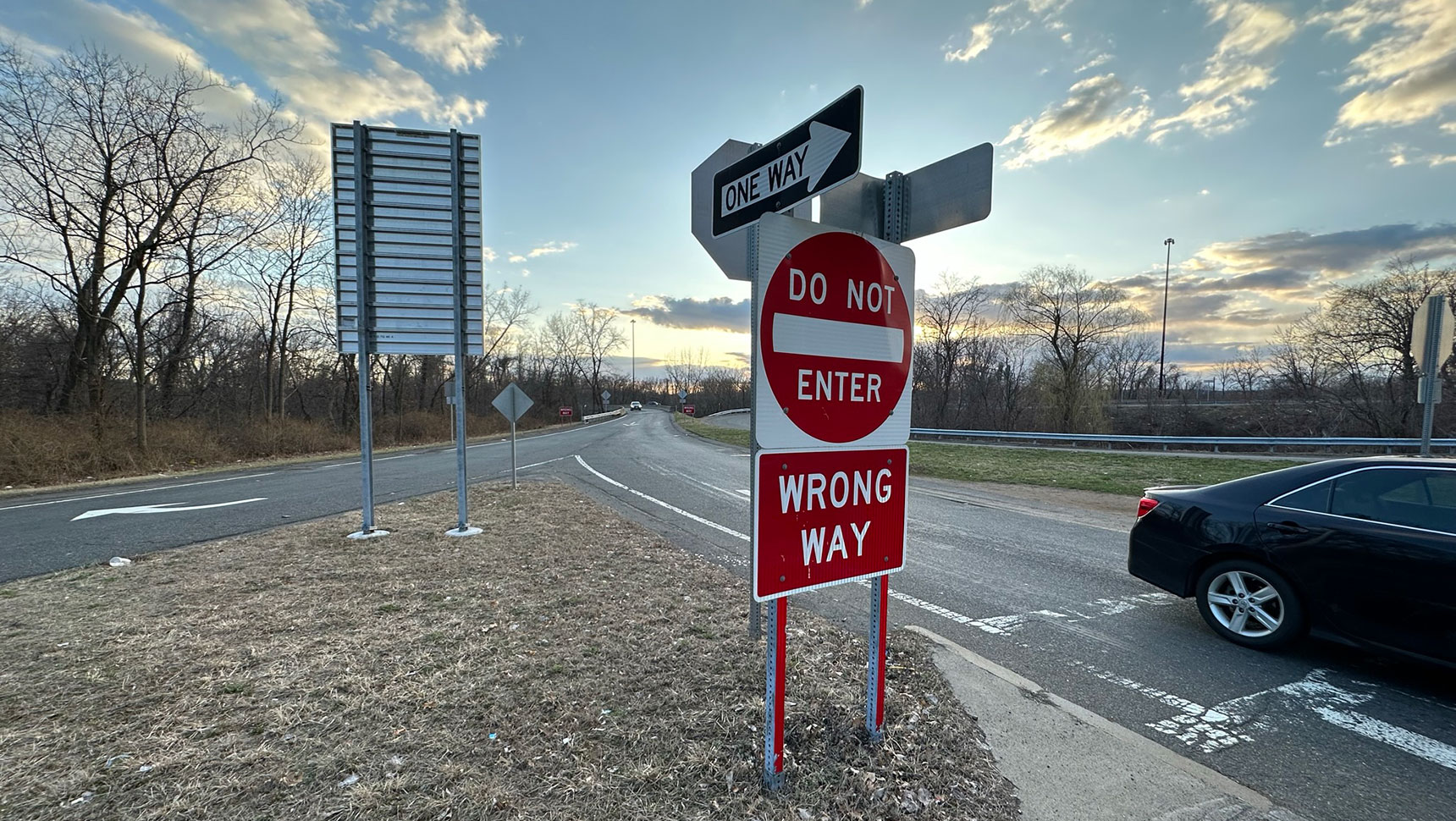

Maximizing Investment and Preserving Infrastructure
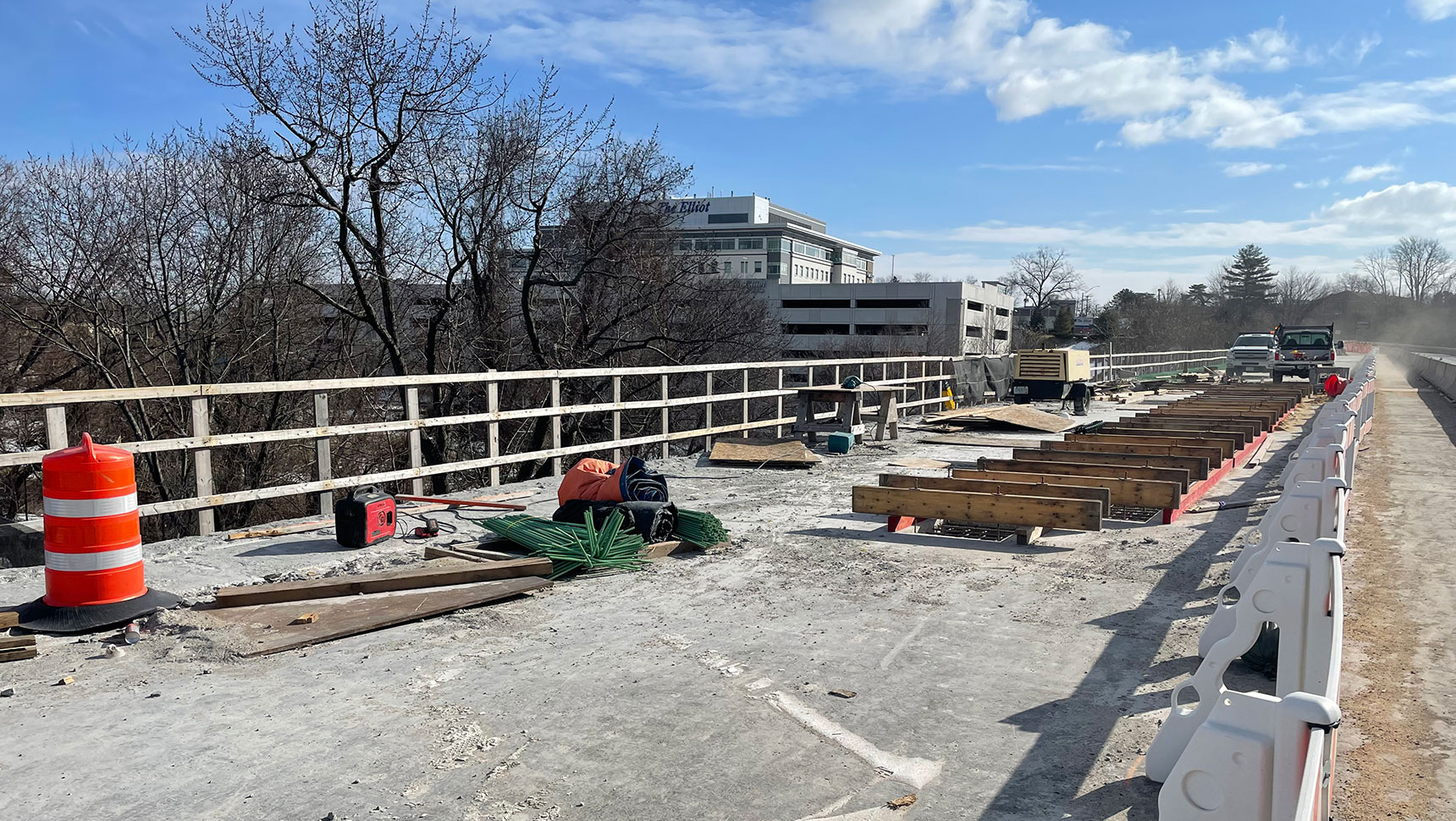

The American Society of Civil Engineers’ (ASCE) most recent Report Card for America’s Infrastructure noted that “strategic asset management planning and routine maintenance are essential to keeping bridge conditions from further declining and avoiding costly repair or rehabilitation work.”1 Bridge preventive maintenance is a critical component of a comprehensive bridge preservation strategy. While preventive maintenance focuses on routine activities that slow deterioration, bridge preservation encompasses a broader asset management approach that includes substructure repairs, waterproofing, deck replacement, bearing replacement, and other targeted improvements. Together, these preservation techniques extend bridge service life, enhance public safety, and maximize the return on state and municipal infrastructure investments.
Bridge presentation projects are proactive strategies that solve smaller matters before they become major structural deficiencies. The standard design life for a bridge is 50 years. Like a lot of infrastructure in the United States, a large number of bridges in New England were constructed during the highway boom of the mid-20th century. As a result, the average age of bridges in every New England state now exceeds that 50-year design life. Replacing every bridge that has surpassed its original design life is neither financially practical nor sustainable. Instead, preserving these existing assets through timely maintenance and targeted repairs allows transportation agencies and municipalities to safely extend infrastructure useful life while deferring the need for costly replacement.
In the Northeast, bridge preservation is a smart, tactical approach to safely managing one of the country’s oldest bridge portfolios. Preservation projects typically require shorter construction durations, less materials, and less disruption to the traveling public than major rehabilitation or replacement projects, yet they can extend a bridge’s service life by 10 to 25 years. By comparison, the average cost to replace a bridge in poor condition in New England is approximately $700 per square foot, making preservation an exceptionally high-value investment. Beyond reducing construction costs, bridge preservation minimizes impacts on surrounding communities by maintaining access for residents, businesses, and emergency services while reducing detours, traffic delays, and construction-related noise.
While any capital investment can sound like a large expense, these projects are safe, thoughtful, and proactive investments that benefit communities. They are smart investments of tax dollars. There are also many local and federal grant programs that help fund these critical infrastructure projects. The Federal Highway Administration’s Bridge Investment Program provides funds to improve bridges in poor condition and to prevent those in fair condition from degrading further. Many states have individual programs. Connecticut’s Local Bridge Program supports individual municipalities with grants for removal, replacement, reconstruction or rehabilitation of local bridges. Massachusetts’ Municipal Small Bridge Program provides phased grants for bridge replacement, preservation, and rehabilitation projects. The Massachusetts Municipal Vulnerability Preparedness (MVP) Prosoma is another creative funding approach for culvert and small bridge projects. Rhode Island’s RhodeRestore grant program, established in 2023, funds bridge maintenance projects in the local public way and those on the State Bridge Inventory. New Hampshire has several programs and their Highway Block Grant Aid Program can be used as part of the match for a project in the Bridge Aid Program. A unique program in Vermont is the Agency of Natural Resources’ Skidder Bridge Cost Share Program, which helps fund temporary wooden and steel bridges. The Maine Department of Agriculture, Conservation & Forestry offers a similar program titled the Temporary Bridge Program that helps forestry professionals purchase temporary bridges for forestry operations.
The abundance and variety of funding programs for these preservation projects is evidence of their value. As states and municipalities continue to manage aging bridge inventories, proactive preservation programs will remain one of the most effective tools for maintaining safe, resilient, and sustainable transportation systems that support residents, businesses, and economic growth.
Dan leads Fuss & O’Neill’s bridge practice. With 26 years of bridge design, inspection, replacement, protection, and rehabilitation projects, Dan’s experience touches the design, documentation, analysis, and management of bridge projects from the local to the signature scale.
We keep up-to-date on developing technologies, emerging concerns, climate projections, and new regulations. Subscribe to be the first to know how these ever-changing industry topics impact you and how we’re responding.
"*" indicates required fields