EPA Brownfields Funding Is Open. Is Your Project Ready?
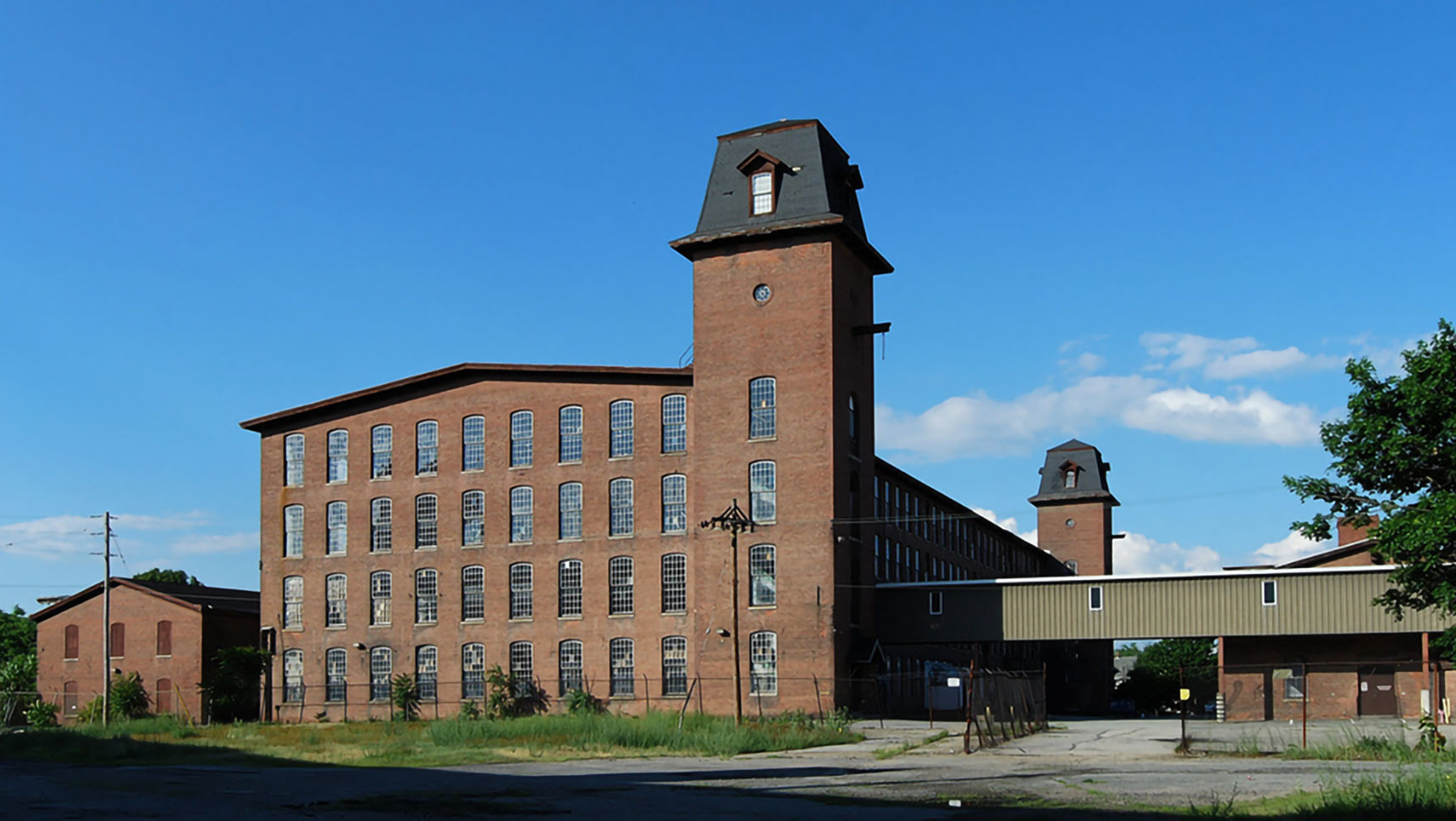

A vacant mill. A former gas station. An underused industrial property. A site a community has talked about redeveloping for years but has never quite been able to move forward.
Brownfield properties can represent some of a community’s greatest redevelopment opportunities—and some of its most complicated challenges. Environmental uncertainty can make it difficult to attract investment, plan confidently for reuse, or determine how to move a property forward.
Now there is a new opportunity to act.
The U.S. Environmental Protection Agency (EPA) has opened its Fiscal Year 2027 Brownfields Assessment, Revolving Loan Fund (RLF), and Cleanup Grant (MARC) competitions. Applications are due January 21, 2027.
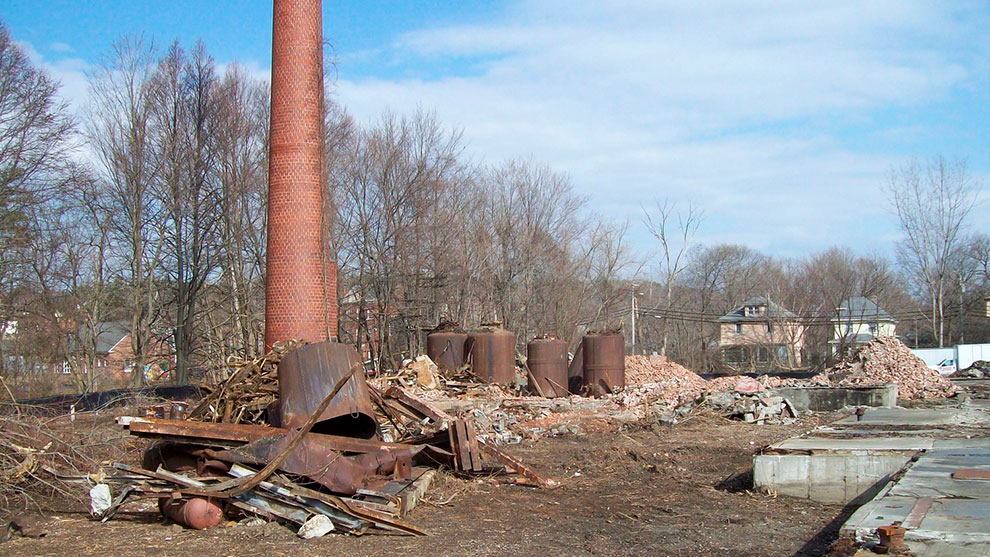
A strong Brownfields application is not simply about identifying contamination. It should connect environmental work to a clear community outcome.
That may mean preparing a former industrial property for housing, supporting economic development, creating a new public facility or recreation asset, or removing uncertainty that has prevented private investment.
As communities decide where to focus limited time and resources, several questions can help clarify priorities:
The goal is not simply to identify a Brownfield. It is to show a credible path from environmental assessment or cleanup to productive reuse.
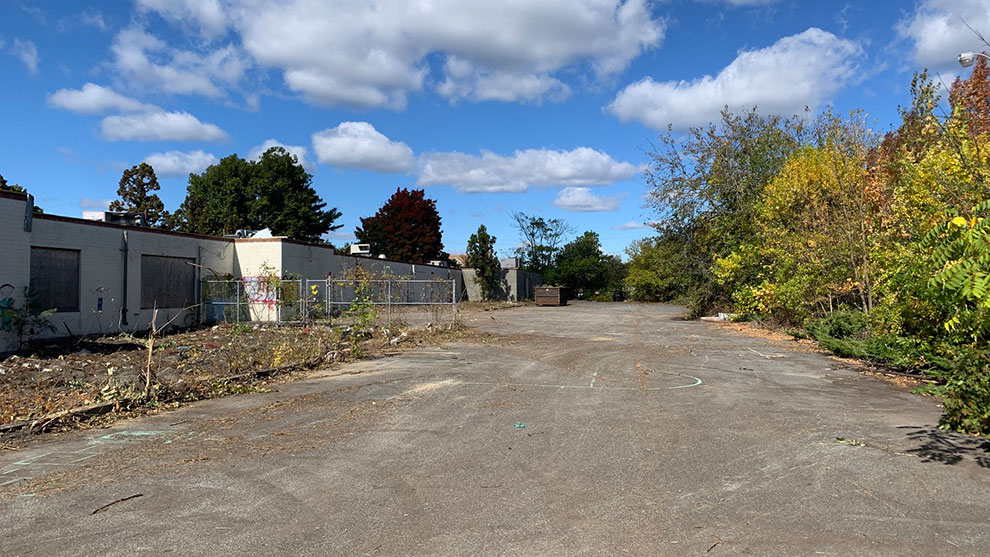
Several changes to the FY27 competition make early coordination especially important.
For Cleanup Grants, applicants must provide more specific ownership documentation. Applicants that own a property in fee simply must provide the date the deed was recorded, and other ownership arrangements may require additional documentation for EPA review.
EPA has also changed its site-characterization requirement. Instead of submitting a state or tribal environmental authority letter, applicants must affirm that an Environmental Professional has certified that the property has been sufficiently characterized for remediation to begin—or that sufficient characterization will be completed before an award is made.
Community engagement also needs to occur before the application deadline. Cleanup Grant applicants must hold a public meeting on or before January 14, 2027 to discuss the draft application and draft Analysis of Brownfield Cleanup Alternatives (ABCA). If the meeting is held January 14, the community notification must be published no later than January 7.
Funding requirements have changed as well. Cleanup and RLF recipients must provide a 20% cost share, and Assessment Grant site-specific activities are limited to $200,000 per site and grant. For a Cleanup Grant addressing a single site, applicants may request a waiver of the $500,000 limit and seek up to $650,000, although EPA indicates that such waivers will be approved only in limited circumstances.
Assessment Coalitions should also pay close attention to eligibility. At least one non-lead coalition member must either never have received an EPA Brownfields MARC Grant or have had its most recent grant period end in 2015 or earlier.
Many communities have more potential Brownfield properties than they can address at once. The challenge is determining where funding can create the greatest impact.
Fuss & O’Neill has worked with municipalities, planning agencies, and regional organizations across New England to help communities move from site inventories and environmental assessment through cleanup planning and redevelopment.
For example, in Fitchburg, Massachusetts, Fuss & O’Neill helped the City secure state and federal Brownfields funding to assess an abandoned auto repair property, investigate environmental conditions, and evaluate opportunities for commercial redevelopment and infrastructure improvements.
In Woonsocket, Rhode Island, Fuss & O’Neill has assisted the City in implementing a long-term, sustainable Brownfields Program funded through EPA Brownfields Assessment and Cleanup Grants. We have supported the City in conducting Phase I and II Environmental Site Assessments, remediation planning, reuse planning, and implementation of cleanup strategies for redevelopment of former mill sites into community assets.
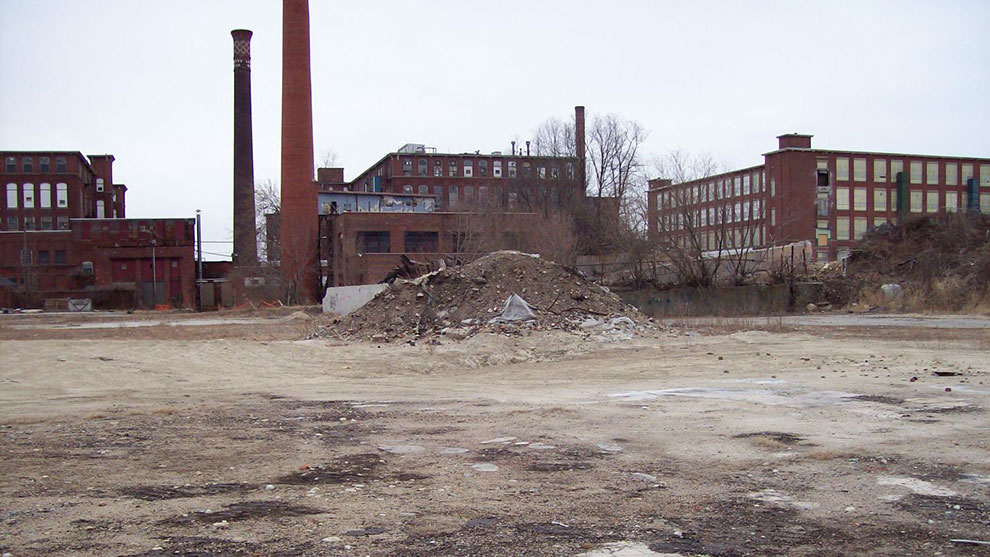
The lesson from those projects is straightforward: Brownfields funding is most likely to be awarded and is most effective when environmental work supports a clearly defined next use.
With the January 21 deadline approaching, communities considering an application should focus on five priorities.
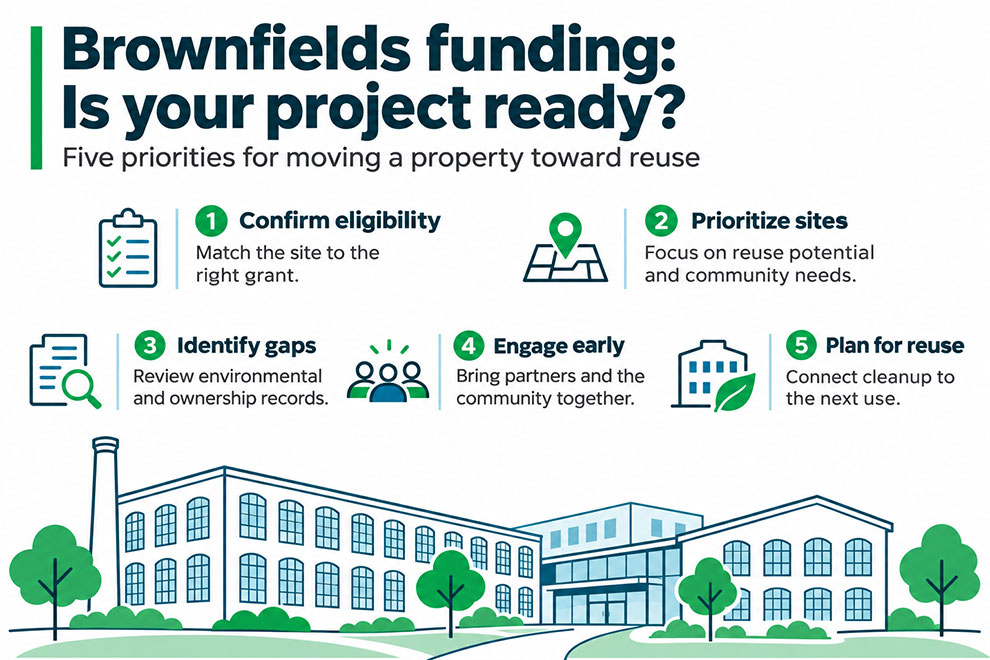
January 21 will arrive quickly. Communities that already understand their priority sites, environmental conditions, redevelopment goals, partners, and next steps can use the application period to strengthen their case rather than build the project from scratch.
If your community has a property that has been difficult to move forward, now is the time to determine whether this funding round can help unlock the next step. Fuss & O’Neill can help evaluate site and applicant readiness, identify environmental or planning gaps, and develop a clear path from Brownfield conditions to redevelopment.
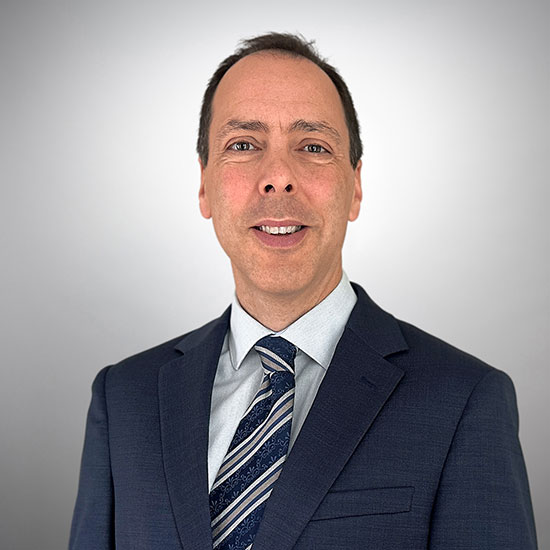
Brian Kortz has 25 years of experience helping communities transform complex properties into lasting assets. His work spans brownfields, urban redevelopment, and industrial sites, connecting environmental solutions with opportunities for productive reuse. A collaborative leader and mentor, Brian brings together planners, scientists, and engineers to help clients advance their redevelopment goals.
We keep up-to-date on developing technologies, emerging concerns, climate projections, and new regulations. Subscribe to be the first to know how these ever-changing industry topics impact you and how we’re responding.
"*" indicates required fields