Massachusetts: Tackling Challenges through Innovative Funding Programs
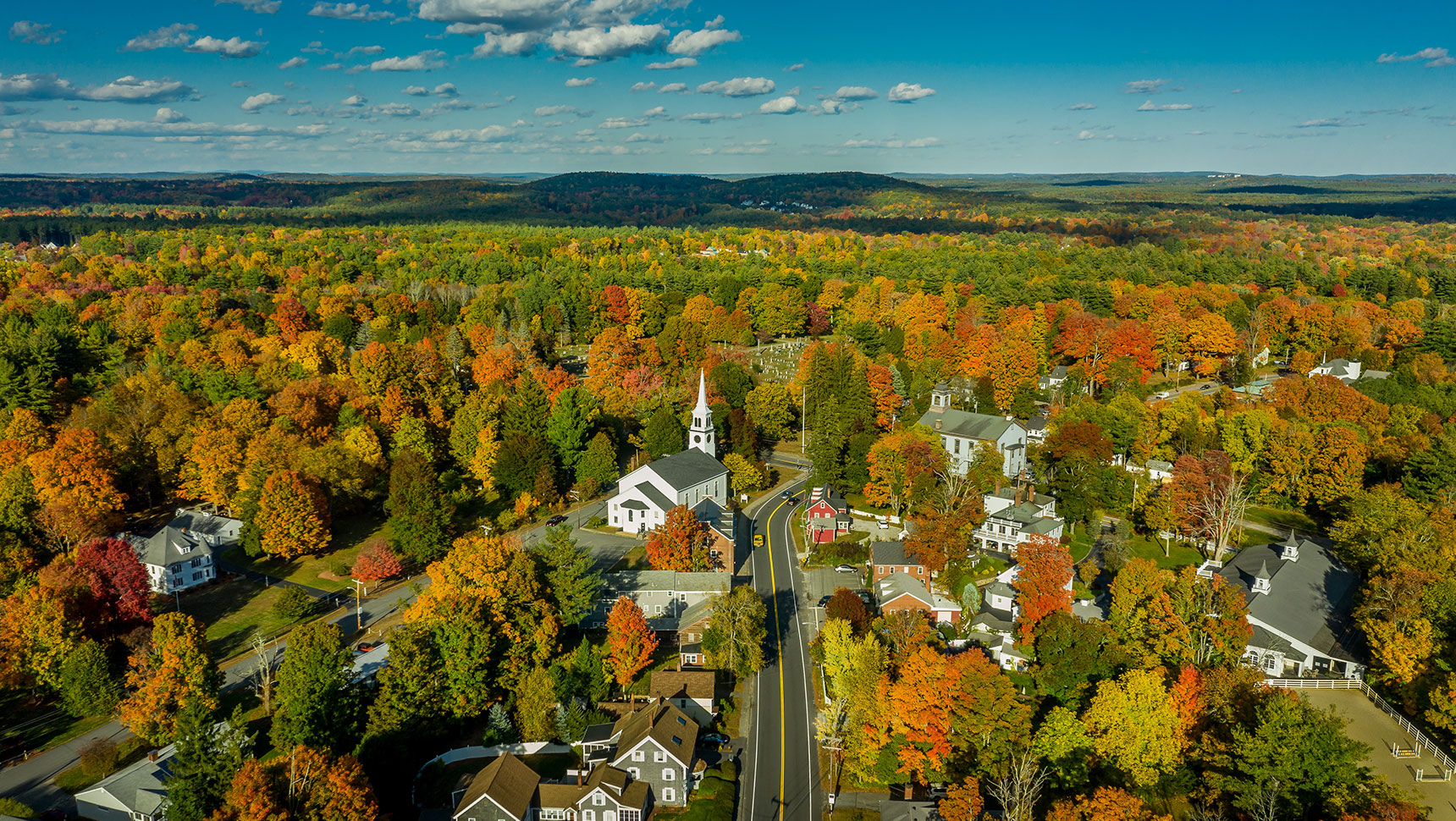

Massachusetts is the third most densely populated state in the nation, though the seventh smallest. Home to world-renowned universities, top tier healthcare institutions, and a unique blend of history and innovation, the Commonwealth is a wonderful state to live, raise a family, work, and visit. However, these strengths bring complex challenges. Aging infrastructure, a housing shortage, and the growing impacts of climate change are placing increasing pressure on communities. But as a state known for its ability to adapt and persevere, the Commonwealth is leading the nation in creative and innovative ways to preserve and protect its culture and its people.
Governor Maura Healey and Lt. Governor Kim Driscoll recently announced the creation of “Build for Mass”, a financing initiative administered by MassDevelopment that provides low-interest loans for municipal infrastructure, clean energy, climate resilience, and economic development projects. The program empowers municipalities to advance projects that they have identified as critical improvements, with particular emphasis on Gateway Cities and rural communities. Divided into two funding streams, the General Loan Program focuses on low-interest loans for community improvements, and the Green Loan Program finances municipal clean energy projects. By funding the infrastructure needed to support adjacent site development, revitalize neighborhoods, improve energy efficiency, and strengthen community resilience, Build for Mass helps unlock private investment and expand housing opportunities. Modern infrastructure attracts businesses and workers, and growing communities create sustained demand for new housing.
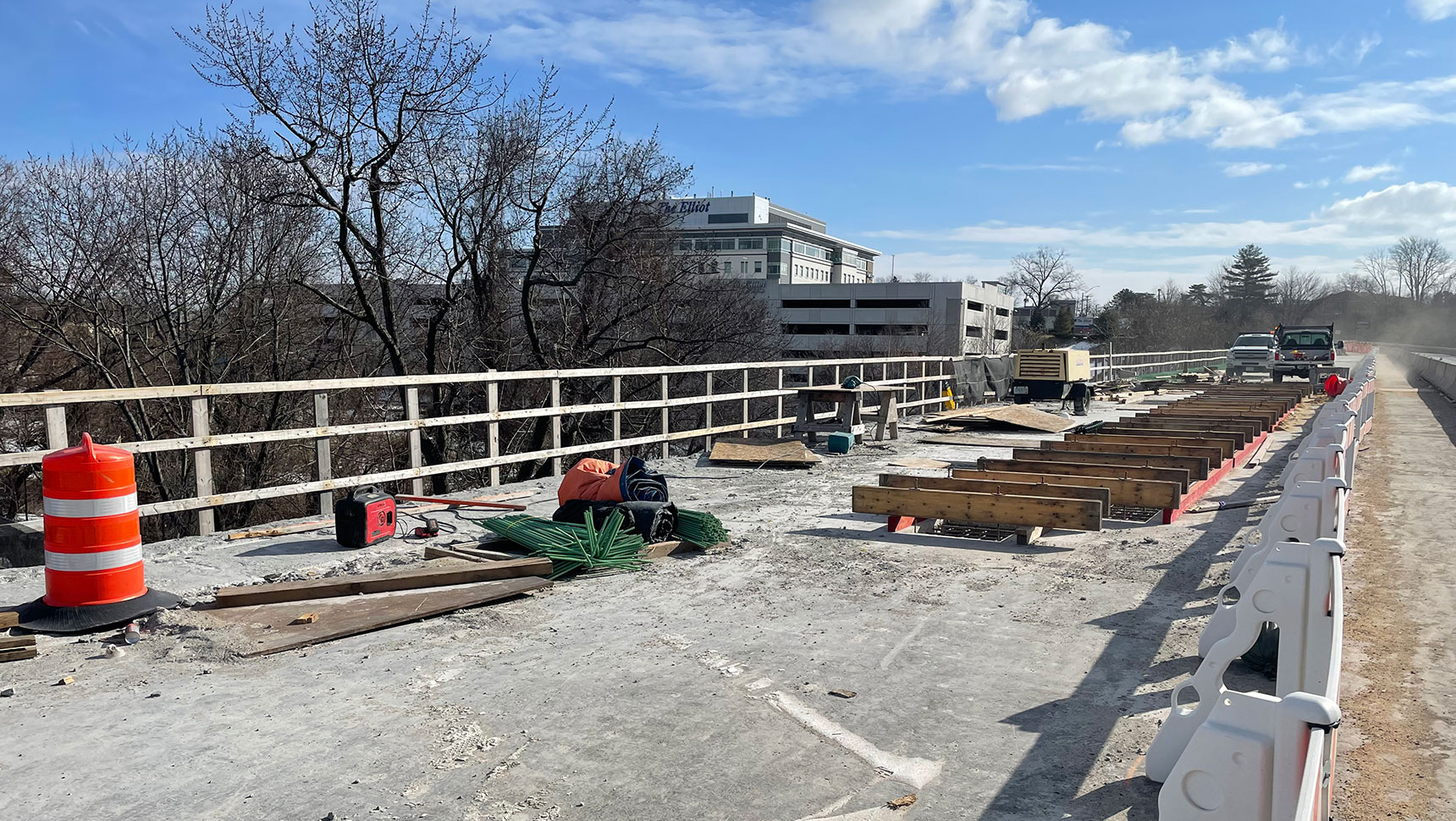
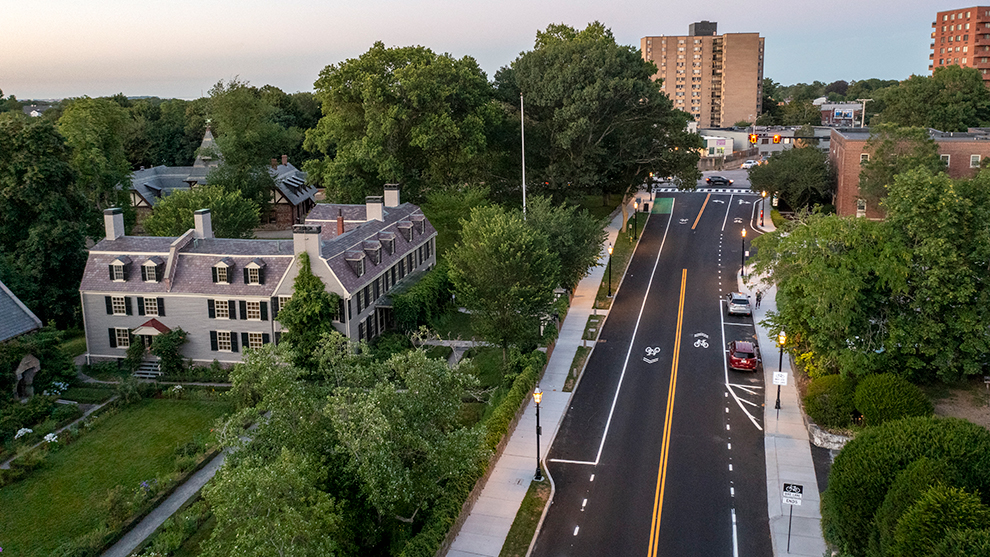
Massachusetts recognizes that addressing housing shortages and aging infrastructure requires coordinated investment across multiple sectors. To streamline access to funding, the Commonwealth combined 14 economic development and housing initiatives, including the highly successful MassWorks Infrastructure Program, into the Community One Stop for Growth program. This consolidated system simplifies the funding process while supporting public infrastructure projects that catalyze housing, private investment, and job creation. Program funding enables municipalities to remediate brownfields, prepare master plans, modernize zoning, extend water and sewer infrastructure, improve streetscapes, and strengthen coastal resilience. Collectively, these investments support safe, functional, and development-ready sites that encourage private investment and accelerate housing production.
As a complement to the Community One Stop for Growth program, Massachusetts established the Environment & Climate (ECO) One Stop program. This program encompasses CZM Coastal Resilience, CZM Coastal Habitat and Water Quality, EEA Cooling Corridors, EEA Planning Assistance, EEA Dam and Seawall Repair and Removal, DER Culvert Replacement Municipal Assistance and Training, and the pioneering Municipal Vulnerability Preparedness (MVP) Action Grants. The MVP program has become a model for climate resilience planning and implementation. As climate-related hazards intensify in Massachusetts (more frequent coastal and inland flooding, dune erosion and ecosystem loss driven by sea level rise, and increasing urban heat-island effects), the Commonwealth has demonstrated national leadership through proactive investment in resilient infrastructure. The MVP program provides grants to identify vulnerabilities, prioritize projects, and design and implement infrastructure improvements that enhance community resilience. This nearly 10-year-old program continues to provide funding to support municipalities across the state to address their most pressing climate-related vulnerabilities.
Several additional bond bills are currently close to being confirmed, including the Mass Ready Act, which would inject billions of additional funds into community resilience work. Fuss & O’Neill is tracking the progress of this critical legislation, which would streamline permitting for housing, culvert replacements, and salt marsh restoration projects; protect water, waterways, and wildlife habitats; support farmers and local food industries; and provide resources to reduce flood and heat risk. These initiatives reflect the Commonwealth’s understanding that housing, economic vitality, infrastructure investment, and climate resilience are interconnected. By investing in public infrastructure, public health, and public safety, Massachusetts is creating stronger, more resilient communities while laying the foundation for sustainable growth.
Fuss & O’Neill has four offices in Massachusetts: Boston, Quincy, Springfield, and Woburn. This article was a collaboration of the respective office managers: Matthew Skelly, PE, PTOE, RSP1; Kevin Sullivan, PE, LEED AP; Jeffrey Dawson; and Bree Sullivan, PE.
We keep up-to-date on developing technologies, emerging concerns, climate projections, and new regulations. Subscribe to be the first to know how these ever-changing industry topics impact you and how we’re responding.
"*" indicates required fields