

Is Your Facility Ready for the Next EPA Industrial Stormwater Permit?

For many industrial facilities, stormwater compliance can feel like a routine five-year cycle. But the current transition between EPA’s expired 2021 Multi-Sector General Permit and its replacement creates an important opportunity for facilities in Massachusetts and New Hampshire to take a closer look at their stormwater programs before new requirements take effect.
Unlike many states that administer their own industrial stormwater permitting programs, Massachusetts and New Hampshire are directly covered by EPA’s Multi-Sector General Permit, or MSGP. The permit applies to stormwater discharges associated with a wide range of industrial activities.
The 2021 MSGP expired on February 28, 2026. EPA did not issue the replacement permit before that date, so coverage for facilities that were already permitted has been administratively continued. Those facilities remain subject to the existing permit requirements while EPA completes the next permit.
For new facilities that began or begin operating after the prior permit expired, EPA issued a No Action Assurance establishing conditions under which the agency will exercise enforcement discretion while the replacement permit is pending. EPA’s current assurance applies to qualifying new operators and was developed because a new MSGP was not ready before the previous permit expired.
Once the replacement permit becomes effective, the timeline could move quickly.
Under EPA’s proposed replacement MSGP, existing permittees would have 90 days after the permit effective date to submit a new Notice of Intent (NOI). Before submitting that NOI, operators would need to review and update their Stormwater Pollution Prevention Plan, or SWPPP, to address the requirements of the new permit.
For facilities with relatively simple operations, that may be manageable. For facilities with complex sites, multiple drainage areas, changing operations, sampling requirements, or older SWPPPs, 90 days can pass quickly. That makes the period before the new permit is issued a valuable time to get organized.
A SWPPP should reflect what is actually happening at a facility today. Over time, operations change. Materials move. New equipment is installed. Drainage patterns are modified. Outdoor storage areas expand. Best management practices that once worked may no longer be appropriate.
Before the next permit becomes effective, facility managers should consider asking:
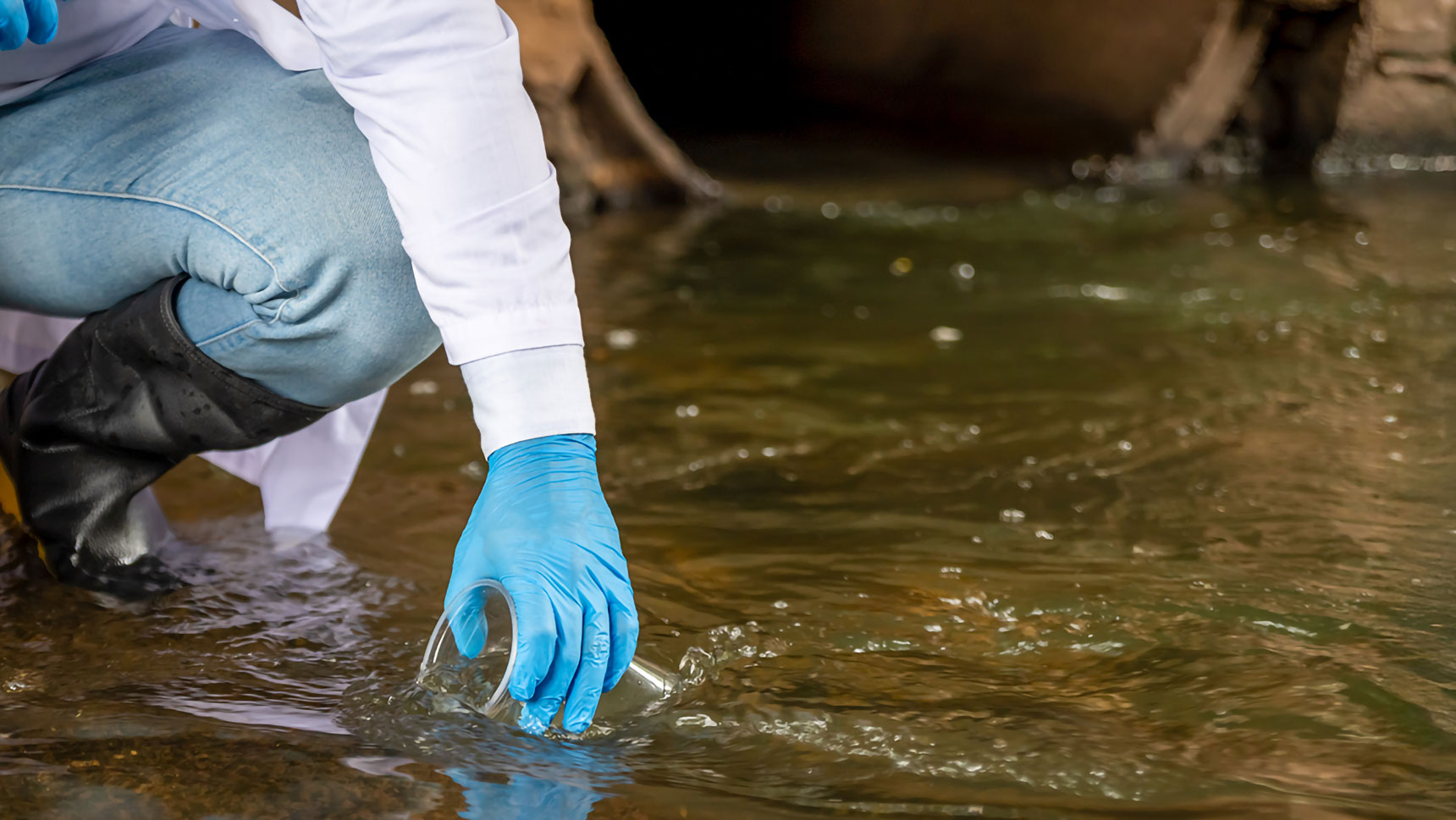
Stormwater runoff from industrial activities can pick up pollutants from material handling, storage, equipment maintenance, and other exposed operations before reaching nearby waterways or storm sewer systems. Looking at those issues now can help facilities avoid scrambling once a new compliance deadline is established.
The MSGP covers a broad range of industrial sectors and activities. Depending on the facility and its operations, this can include manufacturing, transportation, waste management, wastewater treatment, landfills, marinas, materials handling, and other industrial operations.
Applicability is not always obvious based on the name of the business alone. It depends on factors including the facility’s industrial classification, activities, exposure to stormwater, and discharge conditions.
For organizations with multiple facilities, or facilities that have expanded or changed operations, reviewing applicability can be a useful first step.
Facilities do not need to wait for the final permit to begin preparing. A proactive review can help identify outdated information, gaps in documentation, changing site conditions, or stormwater controls that may need attention. It can also help clarify internal responsibilities so permit renewal does not become an emergency once EPA sets the final deadline.
Fuss & O’Neill has supported industrial stormwater compliance programs across New England, including permit transitions, SWPPP development, inspections, sampling, training, and ongoing compliance support.
For Massachusetts and New Hampshire facilities, the next MSGP is a good opportunity to take a fresh look at how stormwater is being managed across the site and identify anything that may need attention before the new permit takes effect.
If you are unsure how the upcoming MSGP may affect your facility, now is a good time to start the conversation. Our team can help you understand what may apply, what is worth reviewing now, and where preparation could make the next permit cycle easier to manage.
Adam is an environmental compliance professional with extensive experience supporting industrial and commercial clients nationwide. His expertise includes environmental permitting and compliance, wastewater management, air and waste programs, and federal and state regulatory requirements. Adam helps organizations navigate evolving environmental regulations and develop practical solutions to address emerging issues, including PFAS management and compliance.
We keep up-to-date on developing technologies, emerging concerns, climate projections, and new regulations. Subscribe to be the first to know how these ever-changing industry topics impact you and how we’re responding.
"*" indicates required fields
