

What If Sewer Isn’t Coming? Wastewater Solutions for Suburban and Rural Growth

For communities where centralized sewer is not practical, decentralized wastewater treatment can offer another path to housing, redevelopment, economic development, and improved water quality.
Throughout New England, many suburban and rural communities rely primarily on individual septic systems for wastewater management. For lower-density communities, extending centralized sewer infrastructure can be costly and difficult to justify, particularly when the need is concentrated within a specific neighborhood, commercial area, or development site.
At the same time, limited access to wastewater treatment infrastructure can affect more than water quality. They can constrain housing, redevelopment, economic development, and other community priorities.
Decentralized wastewater treatment provides another option. Advances in treatment technology have made it possible to provide high levels of treatment at a smaller (and cost effective) scale, allowing communities and property owners to address wastewater needs in targeted locations without necessarily extending centralized sewer infrastructure across a larger area.
For communities evaluating future growth, the opportunity is worth considering: could a targeted wastewater solution remove a barrier to a project or priority that has been difficult to advance?
The Pine Lake RV Resort in Sturbridge, Massachusetts, provides one example. The former campground relied on multiple aging septic systems that were no longer adequate for the property’s wastewater flows and were adversely affecting groundwater quality. Extension of the municipal sewer system had been considered, but the cost was difficult to justify, given the limited benefit to the broader community.
Redevelopment of the property required a different approach.
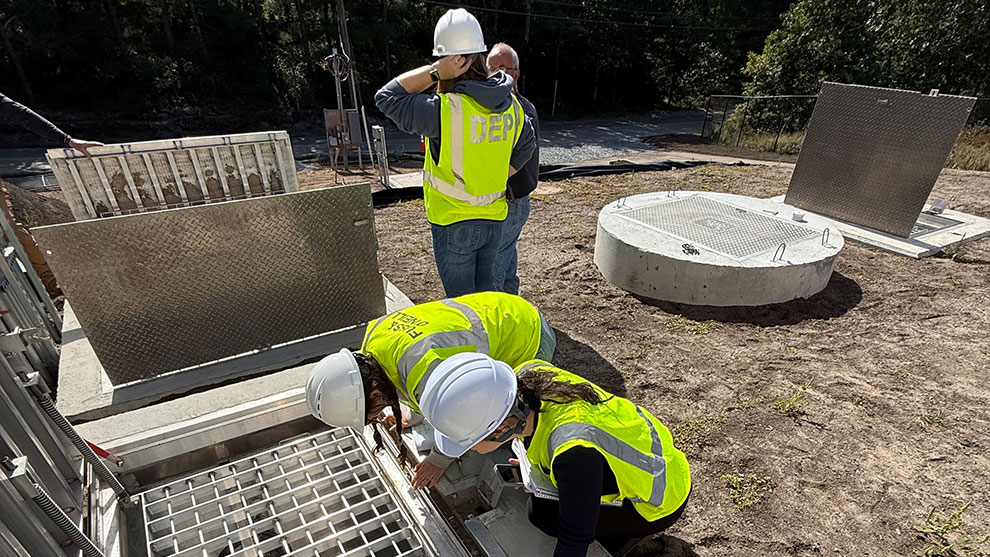
A decentralized Water Resource Recovery Facility (WRRF) with subsurface effluent disposal was designed to provide advanced wastewater treatment at the site. Developing the solution required an understanding not only of wastewater treatment, but also geology, hydrogeology, sewage collection and large-scale subsurface disposal systems, MassDEP Groundwater Discharge Permitting, and the property’s long-term development plans.
The result allowed the property to support a new high-density use commensurate with an acceptable return on investment that would not have been feasible under the limitations associated with the existing septic system configuration.
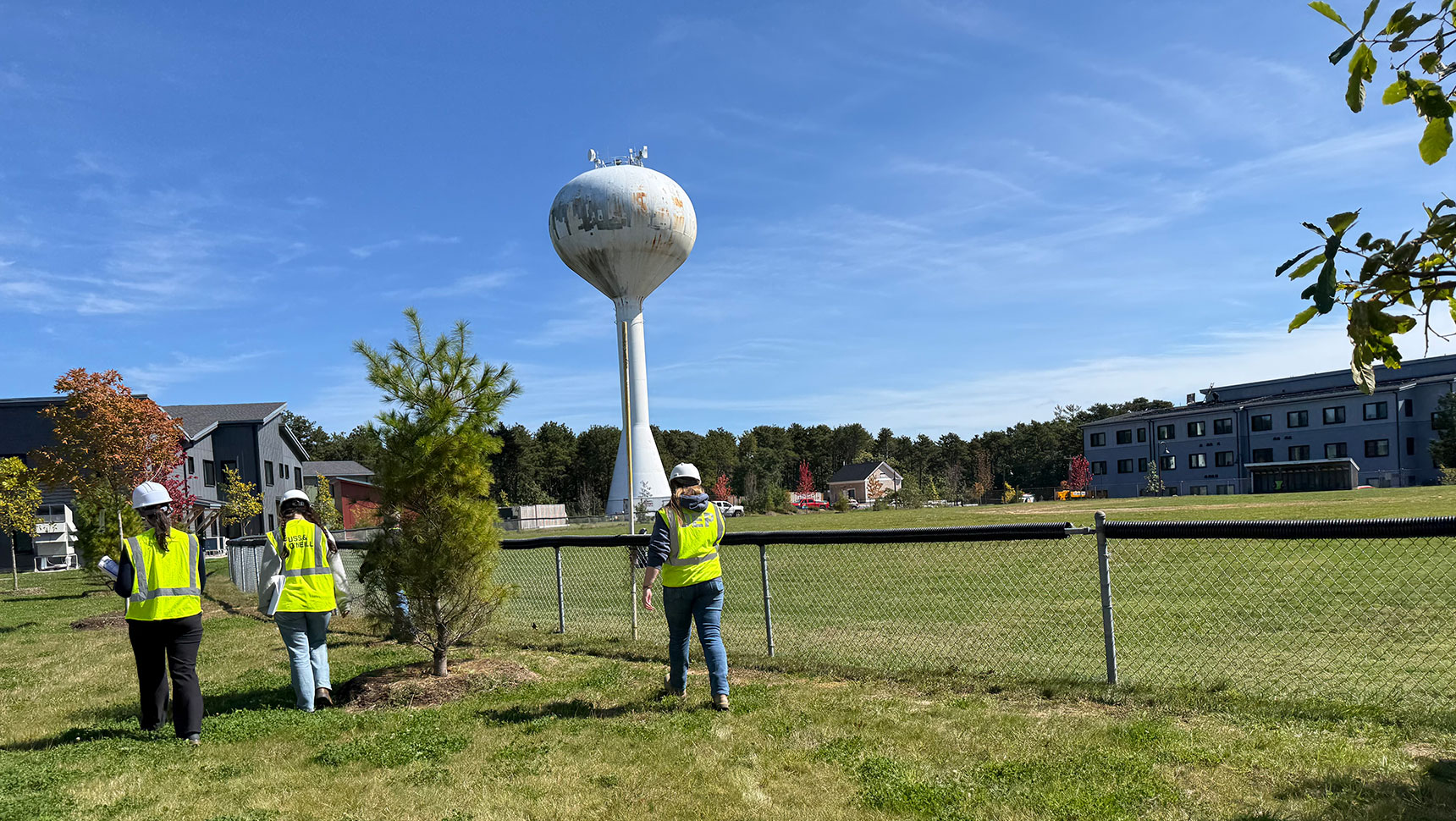
Decentralized treatment is not limited to private development. In Wellfleet, Massachusetts, wastewater management is closely connected to two significant community challenges: protecting sensitive coastal resources and creating more housing.
Like many Cape Cod communities, Wellfleet relies heavily on septic systems. Nitrogen from those systems contributes to water-quality and ecological impacts in sensitive coastal environments. At the same time, the lack of centralized sewer infrastructure can constrain opportunities for new housing.
A 35,000-gallon-per-day decentralized WRRF offers a targeted solution to addressing both issues. The system supports 46 units of 100% affordable housing while also allowing nearby municipal buildings and existing homes currently using septic systems to connect and provide treatment for their existing wastewater. Using this approach, the project is anticipated to reduce the existing pollutant load to the estuary by more than 40 percent while also increasing Wellfleet’s sorely needed affordable housing stock.
The application of this decentralized wastewater solution is very different from Pine Lake, but the underlying question is the same: can a targeted system solve a specific wastewater constraint without requiring community-wide sewer that wouldn’t be economically viable?
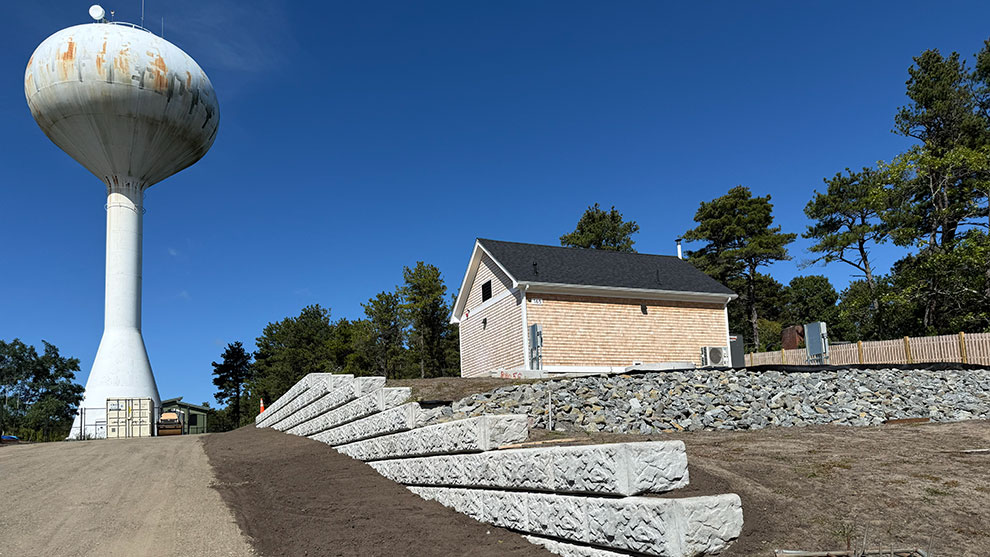
For communities that do not have accessible sewer infrastructure, it may be worth looking at wastewater differently. Potential applications can include:
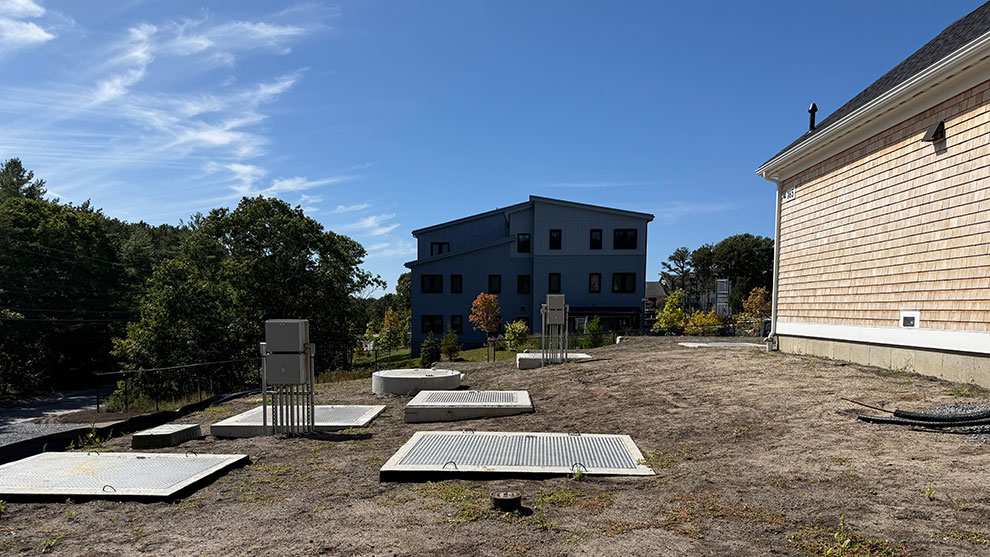
Decentralized treatment will not be the right solution for every community or property but can be a power tool in the right location. Site conditions, groundwater, treatment requirements, environmental resources, development goals, permitting, cost, and long-term operation all influence whether a decentralized approach is viable.
That is why the most useful first step is not selecting a treatment technology. It is understanding the site, the wastewater challenge, and what the community or property owner is ultimately trying to accomplish.
Fuss & O’Neill’s wastewater, environmental, and hydrogeologic professionals help communities and property owners evaluate those questions from early feasibility and site assessment through permitting, design, and implementation. Early evaluation can help determine whether wastewater truly is a barrier to a community’s plans – and whether a different approach could help move those plans forward.
If wastewater challenges are limiting what’s possible for your property or community, it may be time to explore a different approach.
We keep up-to-date on developing technologies, emerging concerns, climate projections, and new regulations. Subscribe to be the first to know how these ever-changing industry topics impact you and how we’re responding.
"*" indicates required fields