
Cannabis Facilities: Compliance Beyond Design
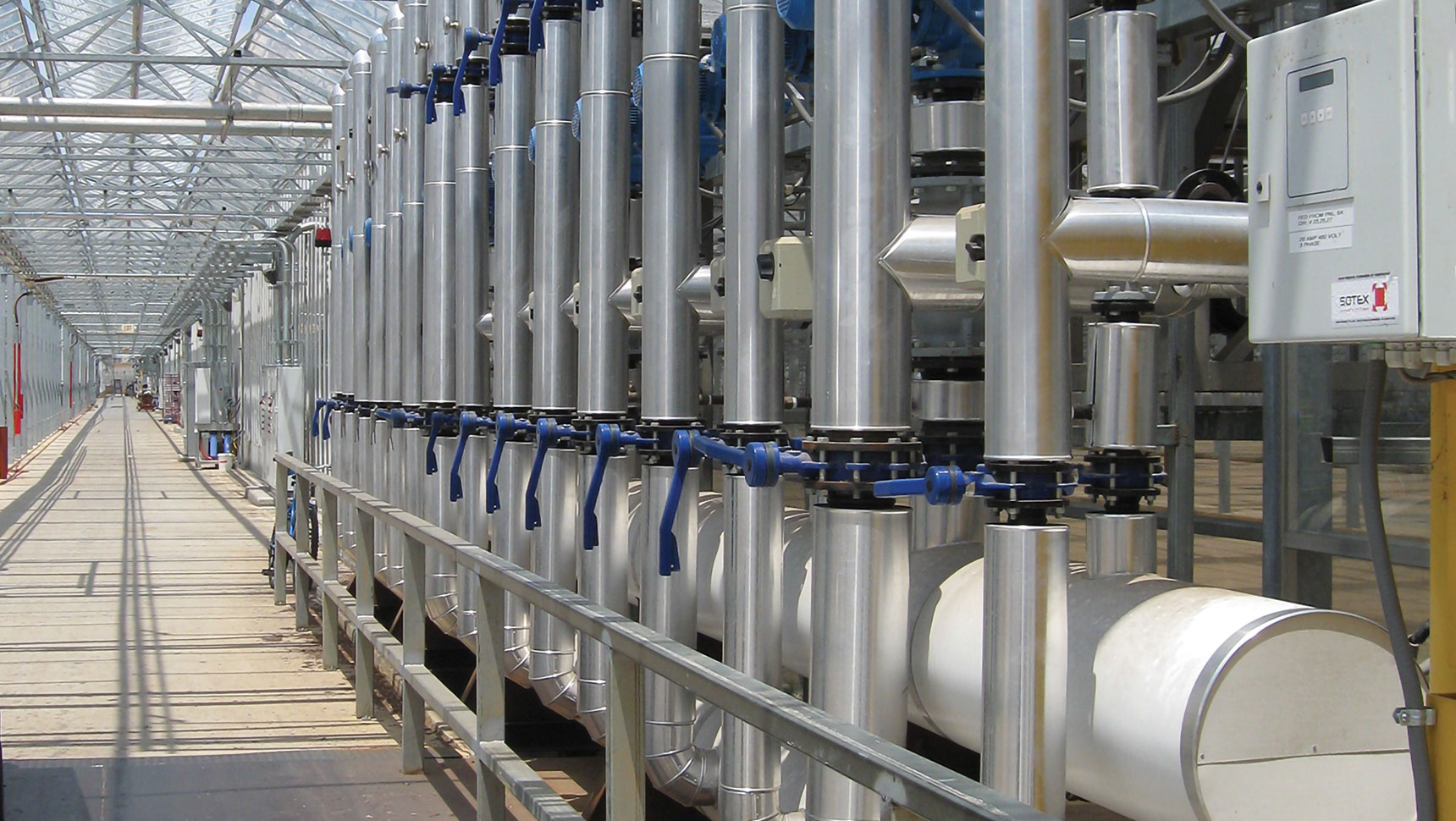

Running a successful cultivation or manufacturing processing facility takes more than the right agricultural practices. Reliable power, efficient water use, safe chemical handling, and well-designed processing systems all help keep production moving. For cannabis manufacturers, and particularly those with solvent based extraction, these systems can also introduce environmental permitting, air emissions, and workplace safety obligations that are easy to overlook.
Fuss & O’Neill helps greenhouse, indoor cultivation, and manufacturers connect facility planning and design with the ongoing needs of their operations. By considering these needs together, we help owners prepare for growth, navigate regulatory requirements, and manage the responsibilities that come with it.
Adding equipment, expanding production, or introducing a new process can change a facility’s compliance responsibilities. Understanding those changes before they happen helps owners plan for the necessary approvals, procedures, and staff resources.
Areas worth reviewing include:
Requirements depend on a facility’s location, equipment, materials, and activities. A focused review helps owners understand what applies and incorporate those responsibilities into everyday operations.
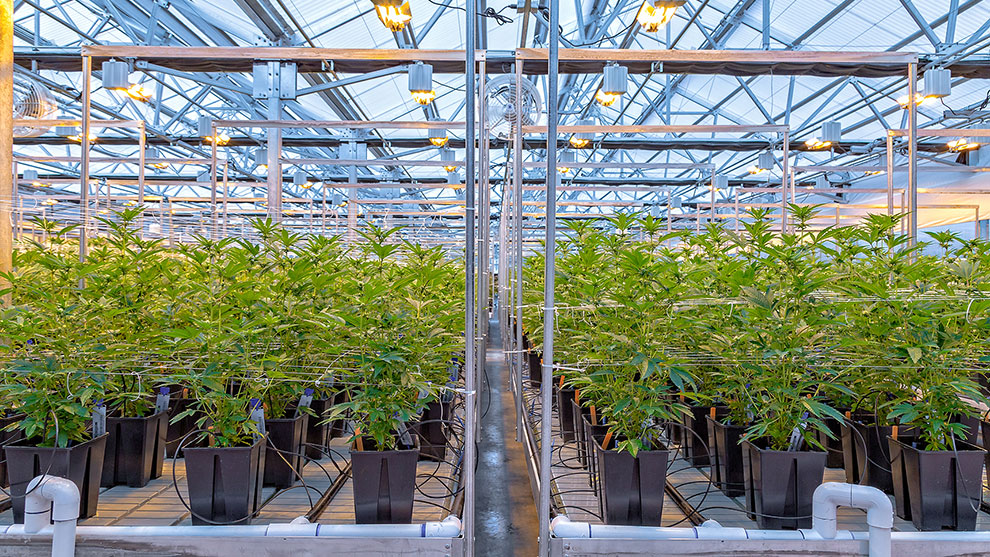
For cannabis manufacturers, obtaining operational licenses and meeting fire and building code requirements may be only part of the compliance picture. Some States require pre-construction permits for air quality based on your volume of solvent usage and potential to emit. Many businesses don’t know or didn’t know this at the time of construction and may be out of compliance. Solvent-based processing can introduce separate environmental obligations, including VOC emissions evaluations, air permitting, and ongoing recordkeeping. As production increases or processes change, facilities may need to reassess these requirements to maintain compliance and avoid unexpected interruptions. We can help you determine applicability and navigate the path to compliance from where your facility stands now.
Facility systems rarely operate independently. A generator installed for reliability may also require emissions records and fuel storage inspections. A new extraction system may introduce additional ventilation, electrical, and air permitting requirements. Increased solvent throughput may change a manufacturer’s VOC emissions profile, potentially triggering new regulatory obligations even when existing extraction equipment remains unchanged.
For cannabis processors, understanding the relationship between solvent consumption, recovery efficiency, and emissions is especially important. Evaluating these factors during facility planning or expansion can help identify permitting needs before equipment is installed or production increases. For existing facilities, reviewing current equipment, solvent usage, and operating practices can reveal compliance gaps that may have developed as production evolved.
Ongoing support also helps turn plans into consistent practices. Clear inspection schedules, solvent usage records, emissions calculations, assigned responsibilities, and employee training make compliance easier to manage alongside production demands.
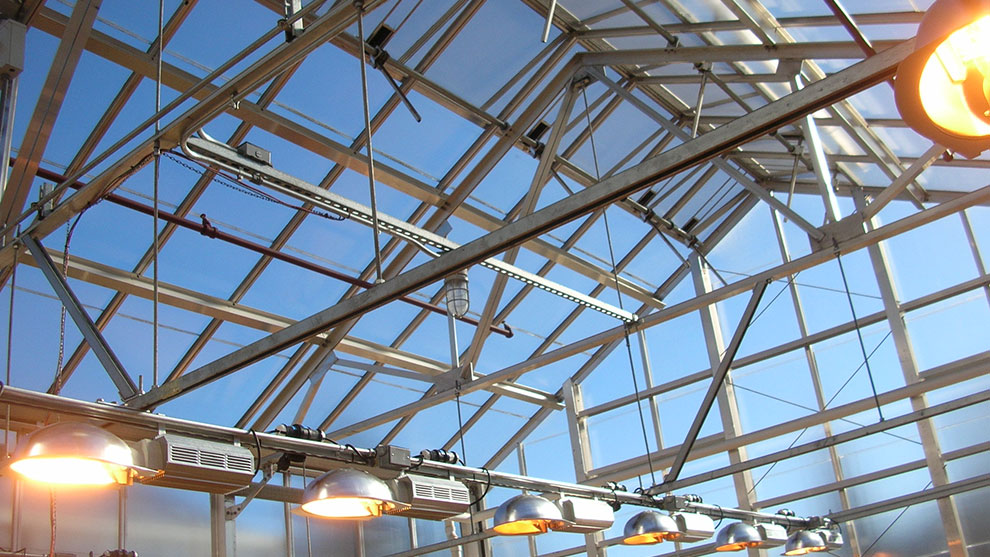
Fuss & O’Neill brings together engineers, scientists, planners, and compliance professionals to support agricultural facilities from site selection and due diligence through design, construction, and ongoing operation.
Our services include site and facility engineering, mechanical and electrical systems, energy management, controls, water conservation, wastewater management, environmental compliance, and health and safety support. This coordinated approach helps clients address immediate needs while preparing for future changes.
Whether you are developing a new facility, expanding extraction capacity, or evaluating an existing operation, Fuss & O’Neill can help identify environmental and safety requirements that may affect your business. Our multidisciplinary team supports air emissions evaluations, permitting, facility engineering, and operational compliance to help manufacturers plan for growth with greater confidence.
Kurt is a Senior Project Manager at Fuss & O’Neill who helps controlled environment agriculture clients navigate facility planning, design, and construction. He connects the business needs of growers, processors, and facility owners with multidisciplinary engineering and compliance services that support efficient operations and long-term growth.</p>
Melissa brings extensive environmental health and safety experience to help clients manage compliance and operational needs. Her background includes 15 years in environmental consulting and project management, corporate EHS leadership, and ten years as an Air Quality Inspector in California. Her expertise spans compliance auditing, permitting, regulatory inspections and reporting, and hazardous waste management.</p>
We keep up-to-date on developing technologies, emerging concerns, climate projections, and new regulations. Subscribe to be the first to know how these ever-changing industry topics impact you and how we’re responding.
"*" indicates required fields