
Designing for the Downpour: Rethinking Stormwater Infrastructure for a Changing Climate
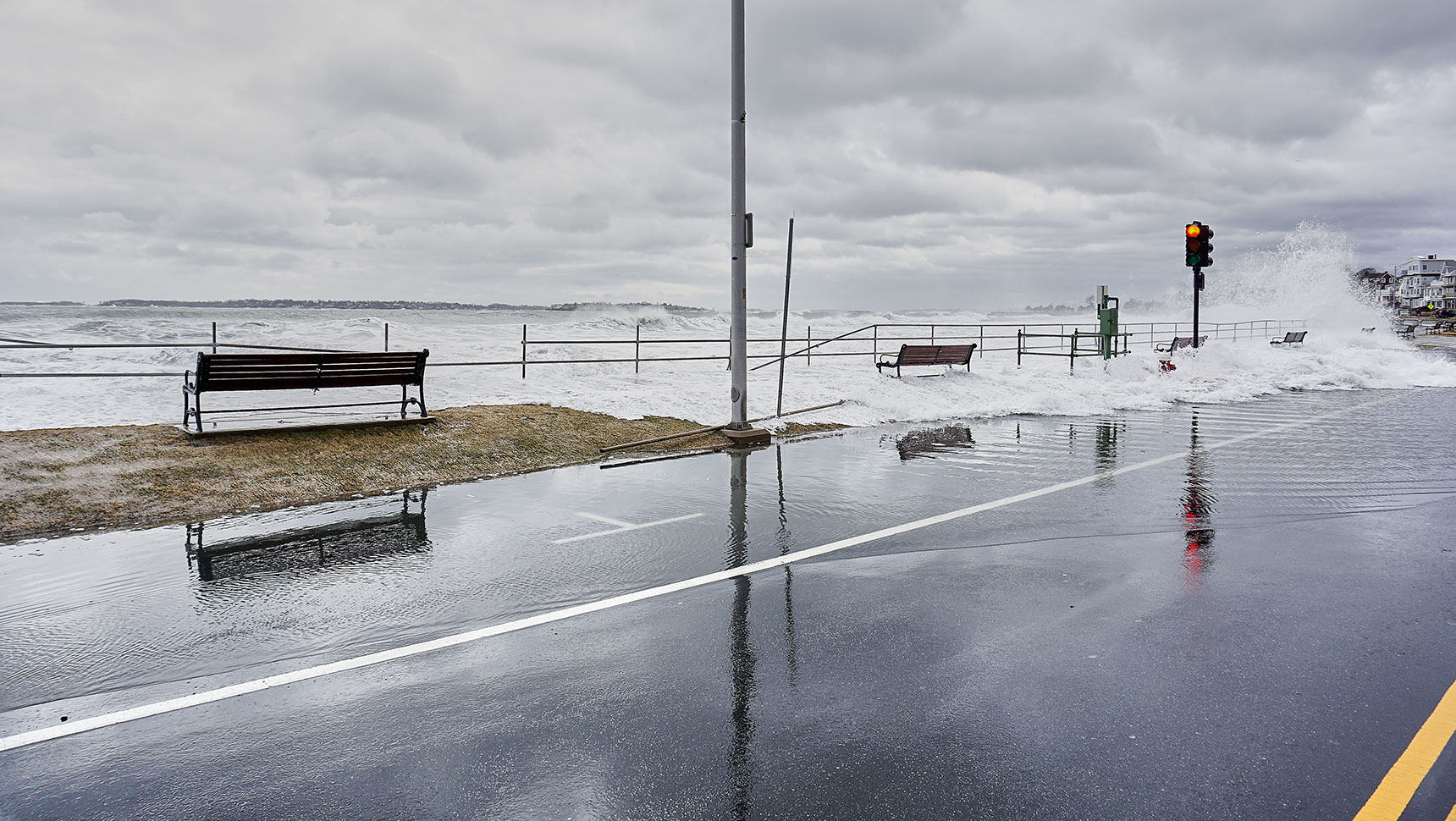

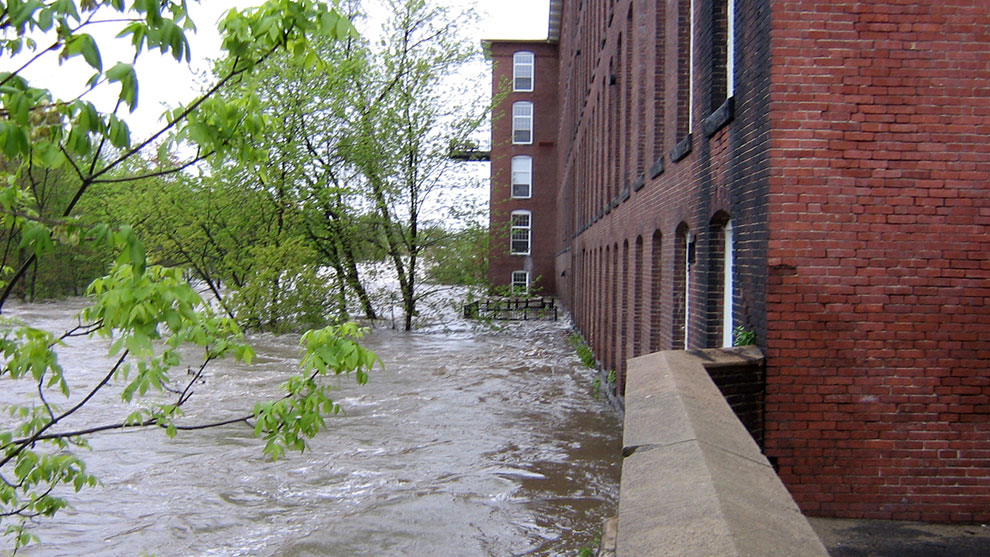
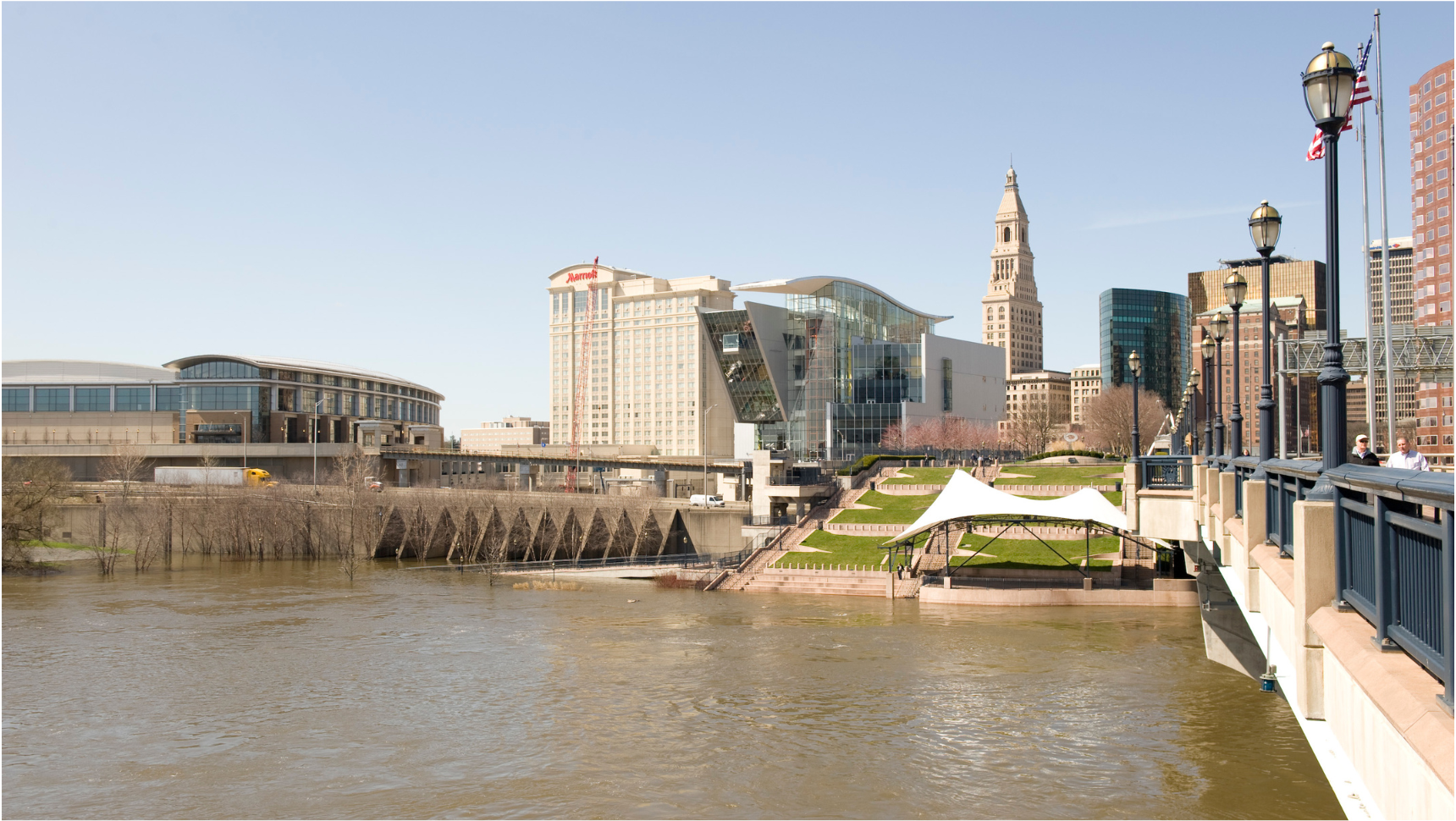
In late July, communities across New England and New York experienced intense rainfall and flash flooding. This type of flooding occurs when drainage systems simply do not have the capacity to handle high volumes of runoff generated by heavy rainfall in relatively short periods of time. If infrastructure is older, in need of maintenance or repair, capacity and function are impacted, which increases the likelihood of flooding. In urban communities with combined sanitary and storm sewer systems, combined sewer overflows (CSOs) may also happen during intense rainfall events.
The impacts of flash flooding and CSOs are numerous. Flooding is potentially dangerous for motorists, pedestrians, and bicyclists, and it can damage roads, structures, wells, and septic (on-site sewage disposal) systems. Both floodwaters and CSOs carry pathogens (bacteria and viruses) that can pose a health threat to those directly exposed to floodwaters or, in the case of CSOs, can impact the quality and safety of receiving waters, which can impact summertime water recreation.
Precipitation intensity has changed and is expected to continue to do so in the coming decades. With that knowledge, how we design and retrofit infrastructure also needs to change to adapt to current and future conditions. Across New England, Fuss & O’Neill works with communities to both retrofit and design stormwater infrastructure to meet current and future conditions. Our solutions focus on using a thoughtful combination of “gray” and “green” infrastructure to address current flood vulnerabilities and increase resilience to future projected conditions.
Conventional “gray” infrastructure includes stormwater detention and retention systems, levees, dams, pump stations, and other conventional drainage improvements. Green infrastructure, like all nature-based solutions, seeks to take advantage of natural processes and mimic the hydrologic cycle, through floodplain and stream restoration, living shorelines, wetlands, bioswales, green roofs, marsh restoration, shoreline stabilization, and habitat enhancement. One feature that makes nature-based solutions a powerful tool to address flooding is infiltration. Systems that encourage rainfall to seep into the ground (like a sponge absorbing standing water) collect rainfall and prevent runoff from inundating roads and collecting at building foundations, and they recharge groundwater. Groundwater is vital to supply base flow to rivers and streams, and it is a major source of drinking water across the Northeast.
Despite our substantial rainfall in New England over the past few weeks, most of Massachusetts and other areas throughout the Northeast remain in some form of drought. Nature-based solutions and green stormwater infrastructure reduce flash flooding and they can reduce drought by promoting infiltration. Removing pavement and other impervious surfaces is key. The transformation from gray to green also provides other benefits beyond increased infiltration and improved water quality. Green stormwater infrastructure can provide habitat and introduce greenspace into communities. Greenspace is linked to multiple physical and mental health benefits, ranging from improved air quality to reduced heat island effects and increased sense of well-being. Across New England, Fuss & O’Neill is working with communities to address flooding and realize the related benefits to water quality, drought resilience, habitat, and public health.
In Fitchburg, Massachusetts, an inland community challenged by flooding and heat impacts, the Blue/Green Fitchburg: Downtown Climate Adaptation Plan outlines improvements through 2030, 2050, and 2070, including expanded tree canopy, green stormwater infrastructure, park enhancements, flood protection measures, and riverfront restoration. To achieve these designs, our multidisciplinary team includes landscape architects, wetland scientists, climate resilience professionals, civil engineers, transportation engineers, land surveyors, environmental planners, geotechnical engineers, and water resource engineers.
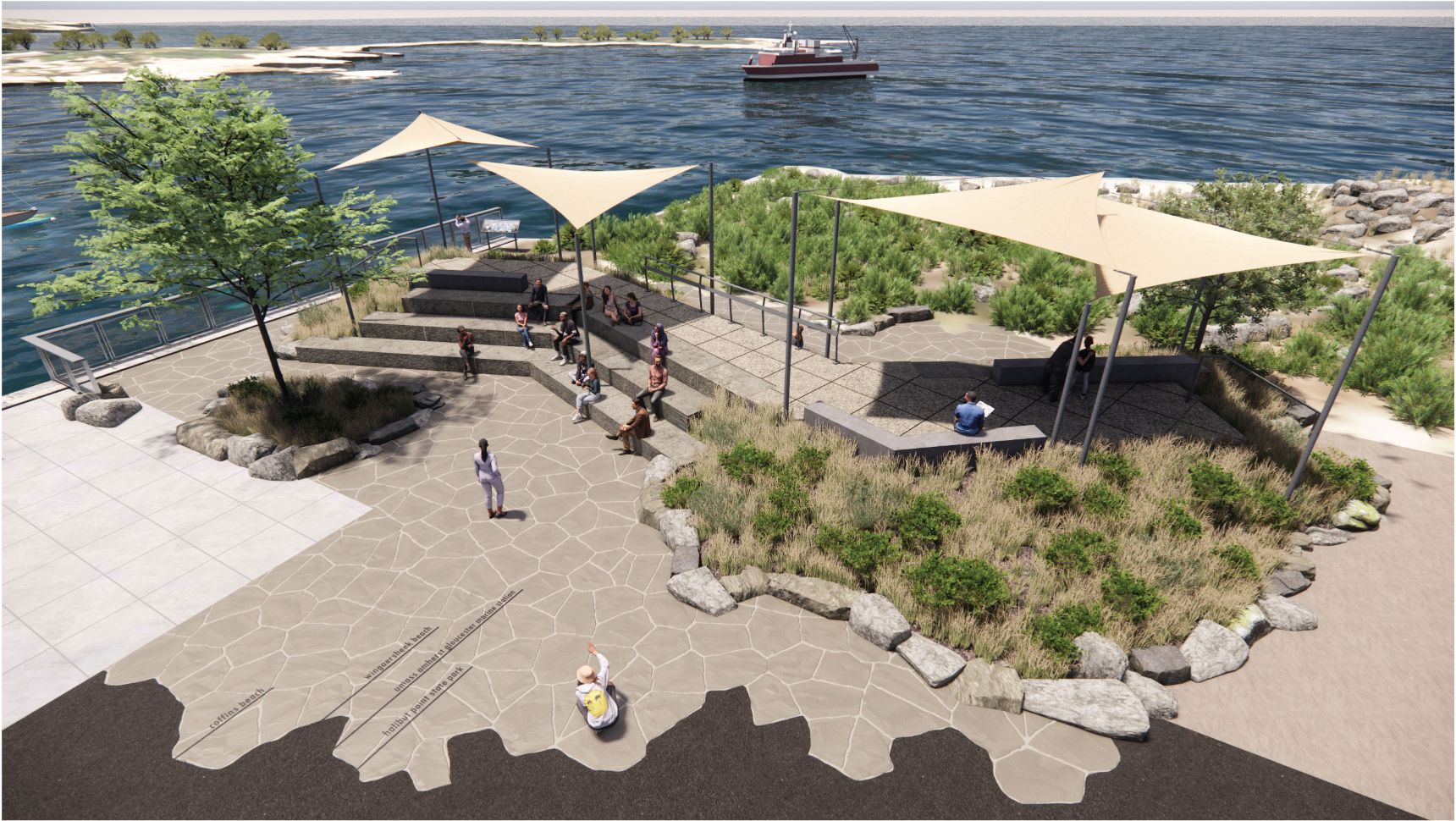
Fuss & O’Neill is helping the City of Stamford, Connecticut address flooding as an interconnected resilience challenge through the Coastal Flood Resiliency Plan, Cummings Pond Flood Resilience and Restoration Plan, Toilsome Brook Flood Resiliency Plan, Springdale Brook Flood Resilience Study, and other drainage projects as part of a citywide drainage assessment. Together, these efforts assess coastal, riverine, and stormwater flooding; use field investigations, modeling, GIS analysis, and community input to identify priority risks; and develop practical, fundable mitigation strategies. The Coastal Flood Resiliency Plan adds a critical coastal-hazards perspective, identifying cost-effective solutions to protect people, property, infrastructure, and natural, cultural, and economic resources. Across the portfolio, Fuss & O’Neill is helping Stamford move from understanding flood risk to coordinated, implementable investments that strengthen ecological, economic, social, and physical resilience while creating broader community benefits.
The City of Holyoke, Massachusetts is strengthening the resilience of its interconnected stormwater and wastewater systems through a series of projects supported by Massachusetts Municipal Vulnerability Preparedness (MVP) program. Fuss & O’Neill supported stormwater-related work focusing on reducing runoff, localized flooding, and CSOs through green infrastructure and nature-based solutions, including ongoing work in the Day Brook watershed that targets high-priority sites while improving water quality, urban heat conditions, habitat, and community awareness. In parallel, Fuss & O’Neill is supporting a vulnerability assessment and resilience/adaptation plan for the City’s wastewater collection and treatment, evaluating how extreme precipitation and other climate stressors could affect the treatment plant, collection system, flood control system, and supporting infrastructure, as well as identifying both gray and green infrastructure strategies to reduce risk and protect public health and the Connecticut River. Together, these efforts move Holyoke from managing stormwater and wastewater as separate infrastructure challenges toward a coordinated, watershed-to-facility resilience strategy that reduces flooding and overflows while guiding long-term, climate-informed investment. This approach is highlighted in the following video.
Diane Mas, PhD, REHS/RS is the Chief Resilience & Sustainability Officer at Fuss & O’Neill. Diane supports firmwide efforts to embed resilience and sustainability into planning and design. Combining experience in water resources, impact assessment, and environmental health, she helps clients protect people, places, and infrastructure while advancing long-term value and well-being.
We keep up-to-date on developing technologies, emerging concerns, climate projections, and new regulations. Subscribe to be the first to know how these ever-changing industry topics impact you and how we’re responding.
"*" indicates required fields